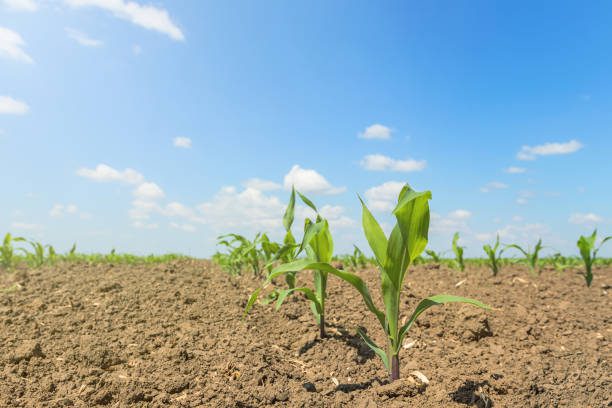
As environmental concerns continue to escalate, the importance of adopting sustainable practices in agriculture becomes more evident than ever. Organic farming and gardening offer a promising solution to address these challenges. In this blog, we will explore the significant ways in which organic practices can prove to be a sustainable help for our planet.
1. Protecting Soil Health
The foundation of any successful agricultural endeavor lies in healthy soil. Organic farming practices prioritize soil health through techniques like composting, crop rotation, and cover cropping. By avoiding the use of synthetic pesticides and fertilizers, organic farming prevents soil degradation, erosion, and loss of nutrients, ensuring long-term productivity.
2. Reducing Chemical Pollution
One of the most critical advantages of organic farming and gardening is the reduction of chemical pollution. By eschewing synthetic pesticides and fertilizers, organic practices prevent chemical runoff into water bodies, safeguarding aquatic life and reducing the contamination of drinking water sources.
3. Preserving Biodiversity
Organic farms act as havens for biodiversity. By avoiding monoculture and promoting a diverse range of crops and native plants, organic farming supports a thriving ecosystem. This diversity attracts beneficial insects and wildlife, creating a balanced and resilient environment.
4. Combating Climate Change
Organic farming plays a pivotal role in mitigating climate change. Practices like agroforestry and carbon sequestration methods allow organic farms to capture and store carbon dioxide from the atmosphere, reducing greenhouse gas emissions and helping to combat global warming.
5. Conserving Water Resources
Organic farming tends to use water more efficiently than conventional agriculture. Healthy soils with improved water retention capacity mean less water is required for irrigation, leading to more sustainable water usage and reduced strain on water resources.
6. Promoting Healthier Food and People
Organic produce is free from harmful chemical residues commonly found in conventionally grown crops. By choosing organic, consumers can reduce their exposure to potentially harmful substances, leading to better overall health and well-being.
7. Supporting Local and Sustainable Communities
Organic farming often fosters stronger connections between farmers and consumers. Buying locally grown organic produce supports small-scale farmers, strengthens local economies, and promotes sustainable farming communities.
8. Ensuring Long-Term Viability
By focusing on natural and regenerative practices, organic farming systems maintain their productivity and viability over the long term. This ensures a more secure and sustainable food supply for future generations.
Conclusion
Organic farming and gardening present a sustainable pathway to address the challenges our planet faces. By preserving soil health, reducing chemical pollution, preserving biodiversity, combating climate change, conserving water resources, promoting healthier food and people, supporting local communities, and ensuring long-term viability, organic practices offer a holistic approach to agriculture that nurtures the planet and sustains humanity.
Embracing organic ways in farming and gardening is not only a responsible choice for the health of our planet but also a testament to our commitment to a more sustainable and harmonious future. Let us come together to promote and support organic farming practices and contribute to the well-being of our planet and all its inhabitants.