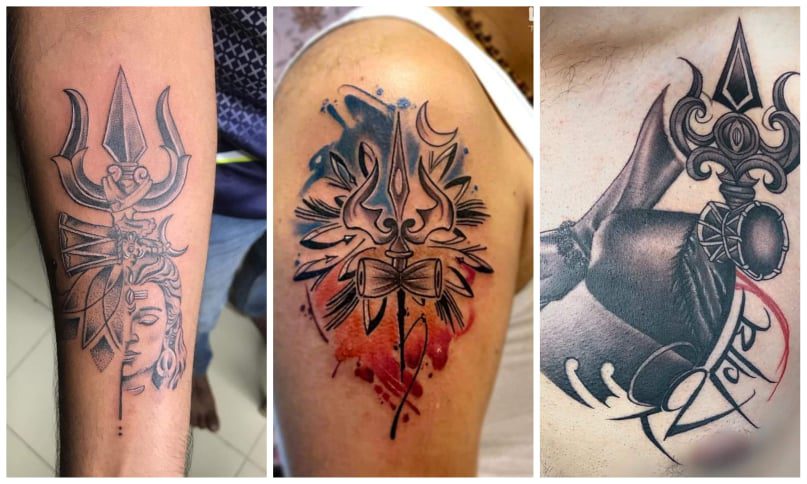
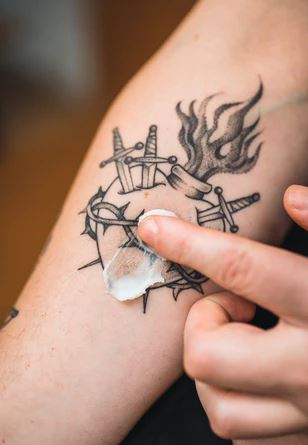
What is the history of tattoo?
How did it originate? Tattooing has existed for centuries throughout human history, with some evidence as far back as the time of the Pharaohs in Egypt. Ancient Egyptian art contains many examples of tattooing, while many of the tattoos found in tomb murals were likely created by stenciling.
Tattooing has been practiced around the world since Neolithic times, as indicated by the many mummified remains of ancient human skin, art and bone tools found at various archaeological sites around the world. Art from around the globe shows that ancient people commonly used tattoo styles to decorate their bodies and to make themselves appear more attractive. The earliest archaeological findings of tattoo tools show that ancient peoples used tribal markings, stylized knot work and spirals as decorative patterns. Tattooing practices spread throughout the Middle East and into Asia during the Laterolithic period, while the use of more abstract designs began to gain popularity in the Western hemisphere during the Paleolithic era.
There are several theories about the origins of tattoos. The most prevalent theory to explain the evolution of body art is that it evolved as a method for body piercing and to symbolize one’s social status within a tribe or society. One of the most popular tattoo images from the Stone Age depicts human beings with their arms covered with tattoos. Another myth regarding the origin of tattoos is that they were used to frighten away evil spirits. Some cultures believed that tattoos on the body were a form of magical spell casting. It is also believed that tattoo history is related to the evolution of the human mind and that once a person started developing ink on his body, it would symbolize the person’s personal transformation and personality. If you interested in knowing one of most popular tattoo type read crown tattoo design.
Tattoo designs come in many forms and each person who wears them has a unique story to tell. Some people who have tattoos on their bodies claim that they were forced to have them done by the law of the jungle when they were captured and held as slaves. Others say that the first tattoo they ever had was one that was a symbol of their membership in a particular tribe. There are even those who say that they got their first tattoo on their arm while participating in a game of war. No matter what the actual source of their first tattoo, there is a great deal of evidence to support the claim that ancient people had tattoos on their bodies long before the dawn of recorded history.
There is archaeological evidence that people in Egypt, Mesopotamia, Israel and other early civilizations in the ancient world, used tattoo guns to create permanent tattoos on their bodies. Although there is no concrete evidence that these ancient civilizations actually used tattoo guns to create tattoos, the use of such tools does seem to be an accepted fact among scholars of archeology. It is also believed that tattoo markings may have been used by early inhabitants of these places as a way of marking their bodies in an attempt to distinguish themselves from the members of other tribes.
When it comes to the question of how many people in history have tattoos, it is difficult to give an exact number. The truth is, it really depends on whom you ask. If you are talking to someone who is inked regularly then you may very well get an answer of hundreds of years. On the other hand, if you were talking to someone who only uses tattoos on their arms or face, you may find that there are only a few people left in this world with tattoos on their bodies. Regardless of which side you sit on, the tattoo is something that is very personal and has great significance to the person who has it on their body.
Normal
0
false
false
false
EN-US
X-NONE
X-NONE
/* Style Definitions */
table.MsoNormalTable
{mso-style-name:”Table Normal”;
mso-tstyle-rowband-size:0;
mso-tstyle-colband-size:0;
mso-style-noshow:yes;
mso-style-priority:99;
mso-style-qformat:yes;
mso-style-parent:””;
mso-padding-alt:0in 5.4pt 0in 5.4pt;
mso-para-margin-top:0in;
mso-para-margin-right:0in;
mso-para-margin-bottom:10.0pt;
mso-para-margin-left:0in;
line-height:115%;
mso-pagination:widow-orphan;
font-size:11.0pt;
font-family:”Calibri”,”sans-serif”;
mso-ascii-font-family:Calibri;
mso-ascii-theme-font:minor-latin;
mso-hansi-font-family:Calibri;
mso-hansi-theme-font:minor-latin;}