Electronic products continue to become smaller and more complex, while incorporating an increasing number of components into limited spaces. As a result, manufacturers need effective solutions that can meet different technical requirements without affecting the design of the finished product. Custom tapes are widely used in electronics because they can be adapted to the specific needs of each assembly.
Working with a 3M Preferred Converter allows manufacturers to obtain adhesive components developed for their particular projects. Through material converting, standard adhesive materials can be processed into custom tapes that match the dimensions and requirements of a specific assembly.
Because every electronic product is different, the same adhesive tape may not be suitable for every application. The selected solution depends on the purpose of the component and the role it needs to perform within the finished product.
Custom tapes can perform more than one function
When researching technical materials, manufacturers may also come across topics such as Thinsulate definition, particularly when exploring insulation solutions. Although insulation materials and adhesive tapes serve different purposes, both are selected according to the function they need to perform within a product.
Custom tapes developed by specialized converters may be used for:
- Bonding different components
- Electrical insulation
- Vibration damping
- Spacing between parts
- Sealing specific areas
In electronics assembly, adhesive tapes are often expected to do more than simply bond two surfaces together. Depending on the application, they may also contribute to electrical insulation, vibration management, spacing between components, cushioning, or sealing.
A similar principle applies to automotive projects involving a fascia car assembly. Here, converted adhesive components are developed to suit the requirements of a specific vehicle assembly. While the applications are different, both industries rely on technical materials selected according to precise requirements.
Material converting creates solutions for specific applications
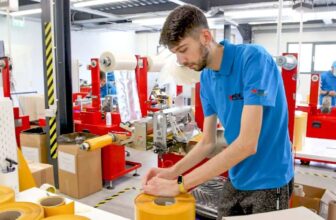
Adhesive tapes are usually supplied in standard formats, but many electronic products require components with different shapes, widths, or constructions. Material converting makes it possible to process these materials into tape solutions developed for a particular product.
Depending on the project requirements, adhesive materials may be laminated, slit, die-cut, or combined with other technical materials. These converting processes allow manufacturers to receive tape components that correspond to the design of the final assembly.
Here are a few examples of parts that can be developed through adhesive material conversion:
- Display mounting tapes
- Battery bonding components
- Adhesive parts for camera modules
- Components for touchscreens and control panels
Selecting the right tape starts with understanding the product
Choosing a custom tape involves analyzing both the product and the manufacturing process. The intended use, the available space, and the conditions in which the product will operate all influence the selection of the adhesive component.
Reviewing these factors before production begins helps identify the tape construction that best matches the application. This approach supports the selection of components suited to the characteristics of the product rather than relying solely on standard material formats.
Here are some of the key considerations that are commonly reviewed during the selection process:
| Project consideration | Why it matters |
| Materials being joined | Different materials have different surface characteristics, so the adhesive solution should be selected accordingly |
| Available space | Electronic products often include many components in limited spaces, making the dimensions and shape of the tape important |
| Operating conditions | Temperature, humidity, vibration, and other environmental factors can influence which adhesive material is most appropriate |
| Component geometry | Curved surfaces, cut-outs, or irregular shapes may require custom tape designs instead of standard formats |
| Manufacturing process | The tape should be supplied in a format that fits the assembly method and the requirements of the production line |
The right tape depends on the application
As electronic products continue to evolve, manufacturers face increasingly diverse assembly requirements. Selecting the right adhesive tape involves considering not only the materials being joined but also the function the component needs to perform, the available space, and the conditions in which the product will operate.
For projects that require application-specific adhesive components, collaborating with a specialized material converter can help manufacturers obtain tape solutions developed around the technical requirements of the product. By taking these factors into account early in the design process, companies can select adhesive components that are better suited to their electronics assemblies.