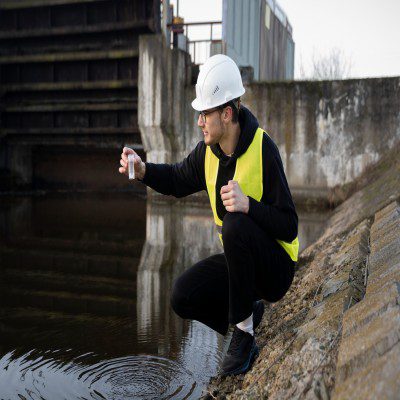
The journey of wastewater, from its origin in households and industries to its eventual treatment and discharge, is a critical aspect of urban sanitation infrastructure. Municipal sewage treatment facilities play a pivotal role in this process, ensuring that wastewater undergoes thorough treatment to remove pollutants and contaminants before being safely returned to the environment. Understanding the intricacies of municipal sewage treatment is essential for appreciating its significance in protecting public health, preserving environmental quality, and promoting sustainable development.
1. Wastewater Collection:
The process begins with the collection of wastewater from various sources, including residential, commercial, and industrial activities. Wastewater flows through a network of underground pipes, known as sewer lines, which transport it from individual properties to centralized sewage treatment plants. Along the way, wastewater may also receive contributions from stormwater runoff, further increasing the volume and complexity of the incoming flow.
2. Preliminary Treatment:
Upon arrival at the sewage treatment plant, wastewater undergoes preliminary treatment to remove large debris, such as sticks, rags, and plastics, as well as settleable solids like sand and grit. This process typically involves screening and grit removal to protect downstream treatment processes and prevent damage to equipment.
3. Primary Treatment:
Following preliminary treatment, wastewater enters the primary treatment stage, where it undergoes physical separation to remove suspended solids and organic matter. In primary clarifiers or sedimentation tanks, the velocity of the wastewater is reduced, allowing heavier solids to settle to the bottom as sludge, while lighter materials float to the surface as scum. The clarified wastewater, known as effluent, is then collected for further treatment.
4. Secondary Treatment:
After primary treatment, the effluent undergoes biological treatment in secondary treatment processes designed to remove dissolved and colloidal organic matter, as well as nutrients such as nitrogen and phosphorus. Common secondary treatment methods include activated sludge, trickling filters, and oxidation ponds, which rely on microbial activity to break down organic pollutants and convert them into stable, less harmful substances.
5. Tertiary Treatment:
In some cases, tertiary treatment may be employed to further polish the treated wastewater and remove residual contaminants, such as nutrients, pathogens, and trace pollutants. Tertiary treatment processes may include filtration, disinfection, chemical precipitation, and advanced oxidation, depending on the specific requirements for effluent quality and reuse applications.
6. Discharge or Reuse:
Once treated to regulatory standards, the final effluent is discharged into receiving water bodies, such as rivers, lakes, or oceans, where it undergoes dilution and natural assimilation processes. Alternatively, treated wastewater may be reclaimed for beneficial reuse applications, such as irrigation, industrial processes, or groundwater recharge, contributing to water conservation and resource sustainability efforts.
Conclusion:
From its journey through the sewer lines to its treatment at sewage treatment plants, municipal sewage treatment plays a vital role in safeguarding public health, protecting the environment, and promoting sustainable water management practices. By understanding the processes involved in municipal sewage treatment, we can appreciate the complexity of managing urban wastewater and the importance of investing in robust sanitation infrastructure to meet the growing demands of rapidly expanding cities. Through continued innovation, investment, and collaboration, we can ensure that municipal sewage treatment systems remain effective, efficient, and resilient in addressing the challenges of urbanization and environmental stewardship for generations to come.