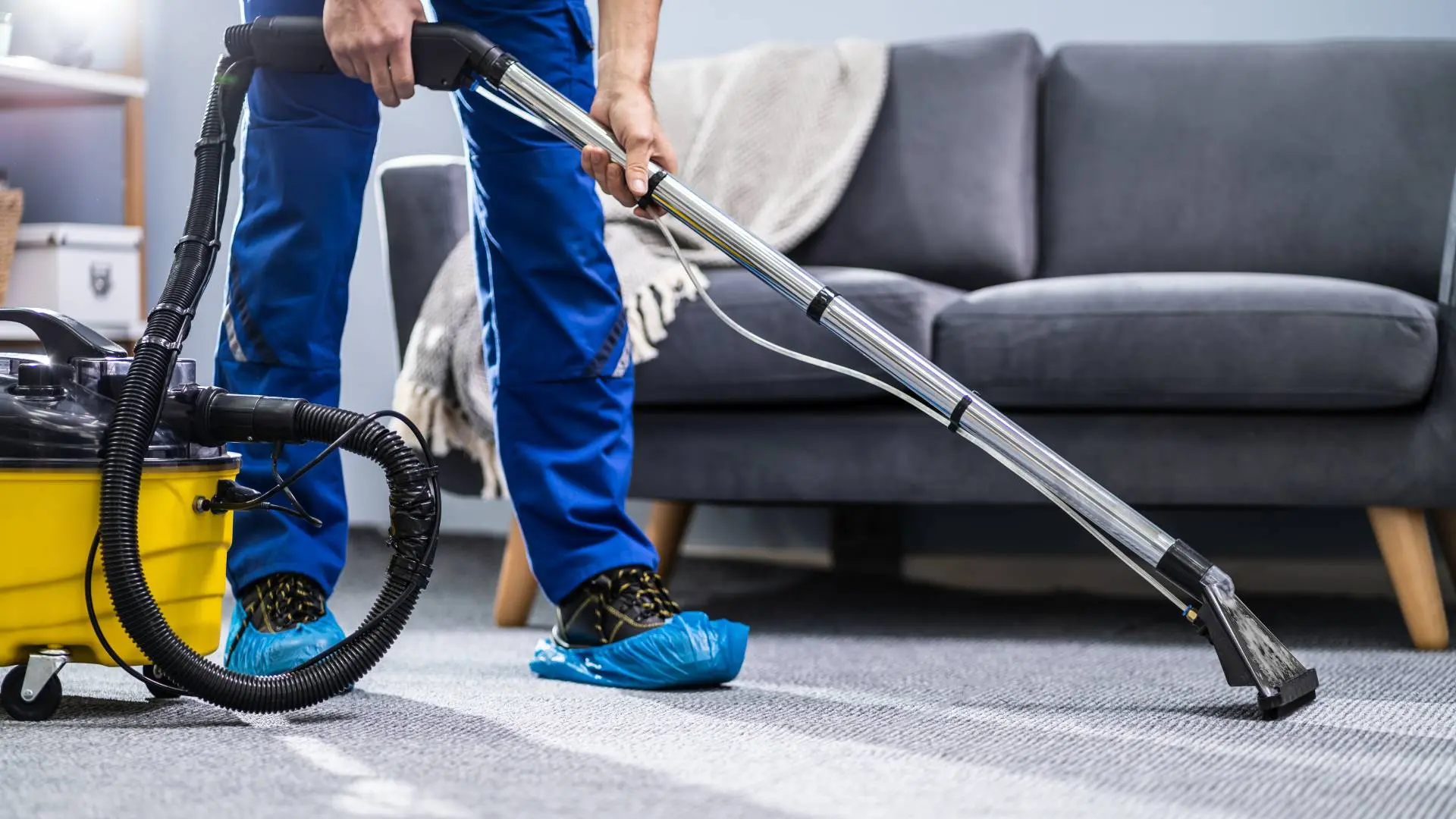
Your commercial space influences how customers perceive your business, how employees feel throughout the workday, and how well your facility maintains its professional appearance. While furniture, lighting, and décor contribute to the overall environment, your carpets also play an important role. Over time, carpet fibers collect dust, dirt, allergens, spills, and debris from daily foot traffic. Without proper maintenance, these contaminants can affect cleanliness, appearance, and the comfort of your workplace.
Professional Carpet Cleaning Oakland CA services help you maintain cleaner carpets, protect your flooring investment, and create a more welcoming commercial environment. Whether you manage an office, dealership, medical building, dental practice, or another commercial property, a consistent carpet care plan can support your facility’s cleaning standards.
Understanding how professional carpet cleaning benefits your business helps you make informed decisions about maintenance schedules, cleaning methods, and long-term flooring care.
1. Create a More Professional First Impression
Your carpets are among the first surfaces visitors notice when they enter your facility. Stains, flattened fibers, visible dirt, and unpleasant odors can make an otherwise organized business appear poorly maintained.
When you schedule professional carpet cleaning, you help restore a fresher and more presentable appearance. Clean carpets complement your reception area, meeting rooms, customer service spaces, and hallways.
This benefit is especially important if your business regularly welcomes clients, vendors, patients, or prospective customers. For example, a clean dealership showroom or an office reception area communicates attention to detail before a conversation even begins.
To maintain a professional appearance, inspect your carpets regularly, address spills promptly, and schedule deep cleaning based on foot traffic. Prioritize entrances, waiting areas, and frequently used corridors because these spaces usually collect dirt faster than less-traveled rooms.
2. Improve Indoor Cleanliness
Commercial carpets can trap dust, soil, pollen, and other airborne particles that settle into their fibers. Normal activities, including walking, moving chairs, and opening exterior doors, can introduce additional debris into your workplace.
Routine vacuuming removes loose dirt from the carpet surface, but it may not eliminate all embedded soil. Professional cleaning provides a deeper maintenance approach by targeting contaminants that ordinary vacuuming can leave behind.
With a suitable cleaning method, you can remove accumulated debris and maintain a cleaner flooring surface. However, carpet cleaning should complement other workplace cleaning practices rather than replace them.
For better results, combine regular vacuuming with scheduled deep cleaning, prompt spill treatment, and consistent cleaning of nearby hard floors. You should also maintain appropriate ventilation and follow your facility’s established hygiene procedures.
3. Support a More Comfortable Workplace
Your employees spend considerable time in the spaces you manage. Dirty carpets, visible stains, and persistent odors can make the workplace feel less inviting, especially in enclosed offices and shared areas.
Professional carpet maintenance helps keep these spaces fresher and more comfortable. Removing accumulated soil and treating appropriate odor sources can improve the overall condition of the flooring.
If you manage a dental office, medical building, or another customer-facing facility, maintaining clean carpets in administrative offices, reception areas, and designated waiting spaces can contribute to a more welcoming environment. Keep in mind that carpet cleaning alone does not establish medical-grade disinfection or replace specialized infection-control procedures.
You can support workplace comfort by establishing a cleaning schedule, choosing appropriate cleaning products, and ensuring that carpets dry completely before employees and visitors resume normal use.
4. Help Reduce Dust and Allergen Accumulation
Carpets can collect particles such as dust, pollen, and pet dander brought in from outside. When these materials accumulate, movement across the carpet may redistribute some particles into the surrounding air.
A consistent maintenance plan helps manage this buildup. Frequent vacuuming with suitable filtration and periodic professional cleaning can remove accumulated soil and selected particles from carpet fibers.
If your facility experiences recurring dust concerns, consider the entire indoor environment rather than focusing on carpets alone. Entry mats, air filters, HVAC maintenance, and regular surface cleaning can all contribute to better dust management.
You should also identify areas where outside debris enters your building. Placing effective mats at entrances and maintaining them properly can reduce the amount of soil reaching your carpeted areas.
Although carpet cleaning can help manage some contaminants, it should not be presented as a guaranteed treatment for allergies or a substitute for appropriate indoor air quality measures.
5. Protect Your Commercial Carpet Investment
Commercial carpets represent a significant investment, particularly in offices, dealerships, and buildings with extensive carpeted areas. Dirt and grit can become trapped between carpet fibers, where repeated foot traffic may contribute to abrasion and premature wear.
When you remove accumulated soil regularly, you help reduce the amount of abrasive material remaining in the carpet. Professional cleaning can also address stains before they become more difficult to treat.
However, the best approach depends on your carpet’s material, construction, condition, and manufacturer’s maintenance recommendations.
To protect your flooring investment, establish a practical maintenance routine that includes:
- Daily or frequent vacuuming in high-traffic areas.
- Immediate attention to spills using suitable cleaning procedures.
- Periodic inspections for discoloration, matting, and worn pathways.
- Professional deep cleaning at intervals appropriate for your facility.
- Protective entrance mats and clear procedures for handling spills.
These steps help you maintain carpet condition while making better use of your existing flooring budget.
6. Address Stains and Persistent Odors
Commercial carpets experience a wide range of spills, from coffee and food to tracked-in mud and beverage stains. In customer-facing environments, noticeable stains can affect the appearance of your reception areas and shared spaces.
Professional carpet cleaning helps address many common stains by using appropriate cleaning solutions, extraction techniques, and treatment methods. The correct approach depends on the stain, carpet fibers, backing, and how long the contamination has remained in place.
Odors may also develop when spills penetrate deeper into the carpet or when moisture remains trapped in the material. Simply applying fragrance or deodorizer may temporarily mask the smell without addressing its source.
When a spill occurs, blot it promptly instead of rubbing it deeper into the fibers. Avoid applying untested chemicals, excessive water, or high heat, as these may damage certain carpets or set some stains.
For difficult stains or recurring odors, arrange an assessment to determine the most appropriate treatment.
7. Maintain Cleaner Offices, Dealerships, and Medical Buildings
Different commercial facilities have different carpet maintenance requirements. Your cleaning plan should reflect how each space is used, the amount of foot traffic it receives, and the type of activities conducted there.
Office buildings
Office carpets often collect dirt around desks, conference rooms, corridors, and entrances. Scheduled vacuuming and professional deep cleaning help maintain a presentable workplace while addressing accumulated soil.
Automotive dealerships
Dealership offices, customer lounges, and administrative areas may experience frequent visitor traffic. Keeping these carpeted spaces clean helps support a professional customer experience. Vehicle display areas should receive flooring care appropriate to their actual surface materials.
Dental and medical buildings
Administrative offices and designated waiting areas benefit from regular carpet maintenance. If your facility includes clinical treatment areas, follow applicable healthcare cleaning protocols and flooring requirements. Ordinary carpet cleaning is not a replacement for specialized infection prevention procedures.
Retail and customer service spaces
Retail offices and customer service areas can experience concentrated foot traffic near entrances and service counters. Focus your maintenance efforts on these locations to help manage visible dirt and wear.
By adjusting your cleaning plan to each area, you can direct maintenance resources where they are most useful.
8. Choose the Right Carpet Cleaning Method
Not every carpet requires the same treatment. Selecting an appropriate cleaning method helps you achieve better results while reducing the risk of damage.
Common commercial carpet cleaning approaches include:
- Hot water extraction: Uses heated water and cleaning solutions to loosen soil before extraction. It can provide deep cleaning when suitable for the carpet.
- Low-moisture cleaning: Uses specialized products and equipment with limited moisture, making it useful for certain commercial settings where shorter drying times are desirable.
- Encapsulation cleaning: Uses cleaning chemistry that captures soil as it dries, allowing the resulting residue to be removed through vacuuming.
- Spot treatment: Targets localized spills and stains without necessarily cleaning the entire carpeted area.
The best option depends on the carpet manufacturer’s guidance, soil levels, building operations, and available drying time.
Before arranging service, explain your facility’s operating hours, high-traffic areas, stain concerns, and any restrictions on cleaning products. This information helps you choose a practical maintenance approach.
9. Reduce Disruptions to Daily Business Operations
You may need to maintain clean carpets without interrupting employees, customers, or scheduled appointments. This is especially important for busy offices, dealerships, and medical or dental buildings.
Planning carpet cleaning around your operating schedule can minimize disruption. Depending on your needs, you may arrange service after business hours, during quieter periods, or in separate sections of the building.
Ask your cleaning provider about expected drying times, furniture movement, access restrictions, and any preparation required before the appointment.
For larger facilities, dividing the project into manageable zones can help keep essential areas accessible. You should also communicate temporary restrictions to employees and visitors to prevent slips or interference with equipment.
A well-planned cleaning schedule allows you to maintain flooring standards while keeping your business running as smoothly as possible.
10. Establish a Consistent Commercial Carpet Maintenance Plan
The best results come from consistent maintenance rather than waiting until carpets look heavily soiled. A structured plan helps you identify problems early, allocate cleaning resources, and maintain more predictable facility conditions.
Start by evaluating your carpeted spaces according to foot traffic and business use. Entrance areas, reception desks, hallways, and shared meeting spaces may need more frequent attention than lightly used offices.
Next, determine how often you should schedule professional service. There is no single frequency that works for every commercial property. High-traffic areas may need more frequent deep cleaning, while lower-traffic spaces may require less frequent service.
Review the condition of your carpets after each cleaning. If stains return, odors persist, or heavily used areas become dirty quickly, reassess the cleaning method, entry mat placement, vacuuming routine, and service frequency.
Working with an experienced commercial cleaning provider can help you develop a maintenance plan suited to your facility.
Why Choose Sta-Clean Services, Inc. for Commercial Carpet Care?
When you manage a commercial property, you need cleaning solutions that support your facility’s daily operations and long-term maintenance goals. Sta-Clean Services, Inc. provides commercial cleaning services for business environments, helping organizations maintain cleaner, more professional spaces.
If you are evaluating Carpet Cleaning Oakland CA, consider your facility’s flooring condition, cleaning requirements, foot traffic, and scheduling needs before selecting a service plan. Clear communication about stains, odors, access restrictions, and drying time helps establish realistic expectations.
You can also explore professional commercial janitorial services to understand how routine facility cleaning can complement carpet maintenance. For broader cleaning needs, review commercial cleaning services in San Francisco.
To discuss your facility’s cleaning requirements, visit Sta-Clean Services, Inc. or use the Contact Us page to request information about available services.
Conclusion
Professional carpet cleaning can improve your commercial space by supporting a cleaner appearance, helping manage embedded soil, addressing many common stains, and protecting your flooring investment. It can also contribute to a more welcoming environment for employees, customers, and visitors.
To get the most from your maintenance budget, combine regular vacuuming, prompt spill treatment, entrance mat care, and scheduled professional cleaning. Choose methods suited to your carpet type and facility requirements, and plan service around your business operations.
With a consistent approach to Carpet Cleaning Oakland CA, you can maintain more presentable commercial spaces and make informed decisions about the long-term care of your facility’s flooring.
Frequently Asked Questions
1. How often should commercial carpets be professionally cleaned?
Cleaning frequency depends on foot traffic, carpet condition, and facility use. Busy entrances, offices, and customer waiting areas may need more frequent service than lightly used rooms. Regular inspections help you determine an appropriate schedule.
2. Can professional carpet cleaning remove stubborn stains?
Professional cleaning can remove many common stains, but results depend on the stain type, carpet material, and how long the stain has remained. Some stains may be permanent and require specialized treatment.
3. Does carpet cleaning help improve indoor cleanliness?
Yes. Appropriate carpet cleaning removes accumulated soil and selected particles from carpet fibers. Combine professional cleaning with regular vacuuming, entry mats, ventilation maintenance, and routine surface cleaning for a more comprehensive approach.
4. What carpet cleaning method is best for commercial buildings?
The best method depends on carpet construction, soil levels, operating hours, and drying requirements. Hot water extraction, low-moisture cleaning, and encapsulation can all be suitable in different circumstances.
5. How can Oakland businesses arrange commercial carpet cleaning?
Start by assessing your carpeted areas, traffic levels, stains, and scheduling requirements. Contact Sta-Clean Services, Inc. through its website to discuss your facility’s needs and determine which available services may be appropriate.