Preparing for a Maryland concealed carry permit class involves more than signing up for training. You need to understand Maryland’s firearm laws, learn essential safety practices, prepare for classroom instruction, and get ready for the required hands-on qualification. With the right preparation, you can approach your training with greater confidence and develop the knowledge needed to handle a handgun responsibly.
Whether you are a first-time firearm student or an experienced handgun owner, understanding what to expect can make your training experience more productive. Here is how you can prepare for a Maryland Concealed Carry Permit class with PTPGun.
Understand Maryland Concealed Carry Permit Requirements
Before attending your class, familiarize yourself with Maryland’s Wear and Carry Permit requirements. The Maryland State Police (MSP) generally requires new applicants to complete an approved 16-hour firearms safety training course with a qualified handgun instructor. Renewal applicants generally need eight hours of approved training, unless an exemption applies.
Your training covers firearm safety, Maryland firearm laws, handgun operation, safe storage, and practical shooting skills. You must also demonstrate the required shooting proficiency to receive the appropriate training documentation.
Review the official Maryland State Police Wear and Carry Permit requirements before registering. Requirements can change, so confirm the latest instructions before your class and application.
Remember that completing training does not automatically grant permission to carry a concealed handgun. You must submit your application, satisfy the applicable requirements, and receive approval before carrying under the permit.
1. Choose an Approved Training Provider
Your first practical step is to select a training provider whose instructor is qualified to conduct Maryland Wear and Carry Permit training. Choosing an appropriate course helps ensure that your instruction and qualification documentation meet state requirements.
PTPGun offers Maryland concealed carry training that combines classroom instruction with practical, hands-on learning. Its course covers firearm safety, handgun fundamentals, Maryland firearm laws, and responsible handling practices.
Explore the Maryland Wear and Carry Permit training course at PTPGun to review the course details, schedule, and available options. Confirm the instructor’s current Maryland State Police qualification before booking.
When registering, ask about the class duration, location, equipment availability, range requirements, and documents you should bring. If you are traveling from Baltimore, Annapolis, Southern Maryland, or another part of the state, confirm the exact training location and arrival instructions in advance.
2. Review Basic Firearm Safety Rules
You do not need to be an experienced shooter to benefit from your Maryland Concealed Carry Permit class. However, reviewing basic safety principles beforehand can help you follow instruction more comfortably.
Focus on these essential habits:
- Always treat every firearm as if it is loaded.
- Keep the muzzle pointed in a safe direction.
- Keep your finger outside the trigger guard until you are ready to shoot under instruction.
- Identify your target and understand what lies beyond it.
- Follow the instructor’s commands and range safety procedures.
- Never handle a firearm when impaired by alcohol, drugs, or anything else that affects judgment.
Your instructor will explain and reinforce safe handling practices. Avoid experimenting with unfamiliar firearms before class. If you have questions about loading, unloading, or operating a handgun, ask your instructor to demonstrate the correct procedure.
3. Prepare for Classroom Instruction
Classroom learning is an important part of Maryland concealed carry training. You will need to understand the legal responsibilities associated with possessing and carrying a handgun, not just how to operate one.
Before attending, review the general topics you are likely to study, including Maryland firearm laws, safe storage, handgun components, operation, and the legal considerations surrounding self-defense.
Consider writing down questions about prohibited locations, lawful defensive force, transportation, and your responsibilities during an encounter with law enforcement. Your instructor can explain the relevant course material and help clarify concepts you find confusing.
Do not rely on outdated online discussions or advice from friends as a substitute for current legal guidance. Firearm laws can vary by jurisdiction and change over time.
4. Get Ready for the Practical Shooting Qualification
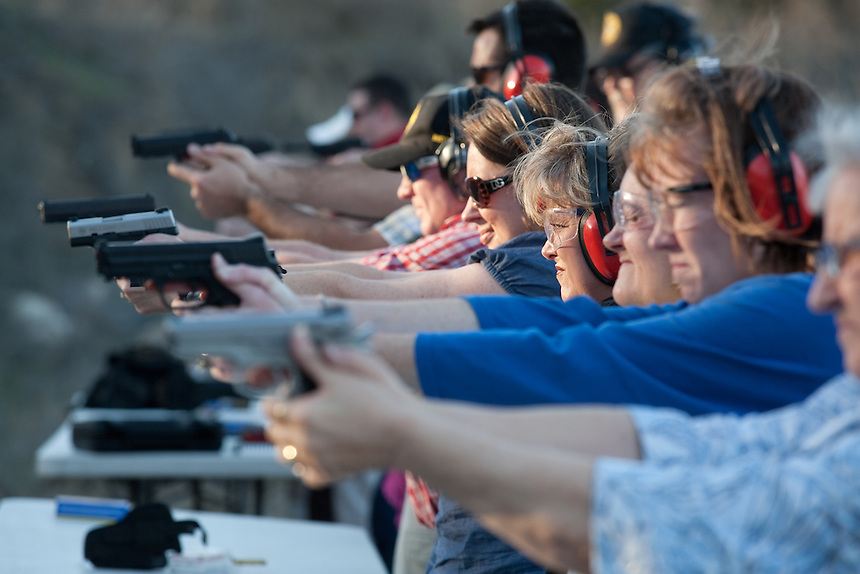
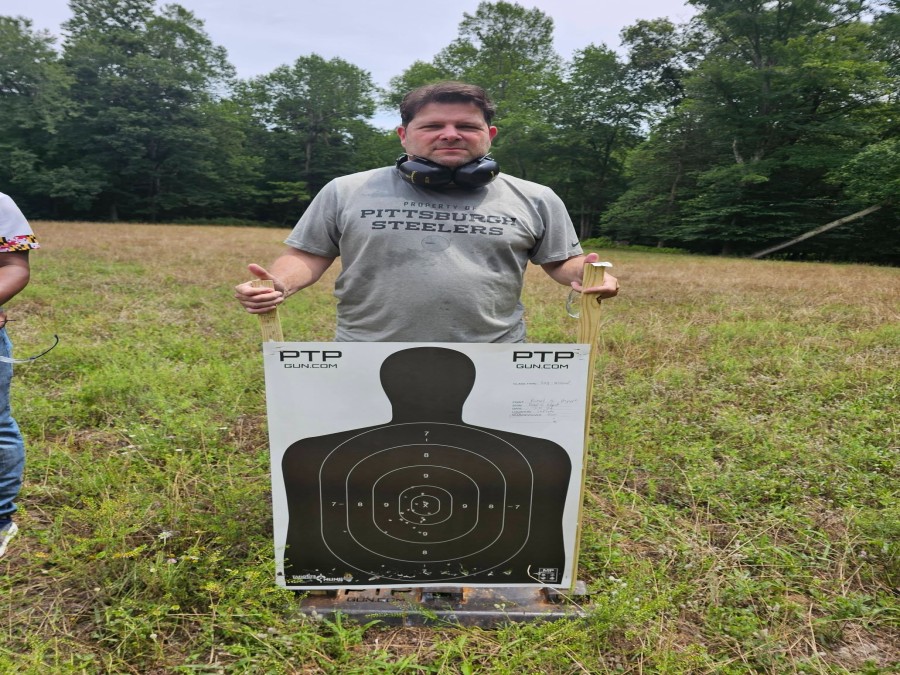
Your course includes practical instruction and a shooting qualification. For most civilian Wear and Carry applicants, Maryland requires a Basic Practical Handgun Course involving at least 25 rounds, fired from distances no greater than 15 yards, with a minimum accuracy score of 70%.
Designated security personnel follow a different qualification course. Confirm the requirements applicable to your circumstances with your instructor.
To prepare, get adequate rest, wear comfortable clothing, and listen carefully during demonstrations. Concentrate on following instructions, maintaining safe muzzle direction, controlling your trigger finger, and applying the fundamentals taught during class.
You do not need to arrive as an expert marksman. Your goal is to learn, demonstrate safe firearm handling, and meet the required qualification standard. Ask for clarification whenever you are unsure about a procedure.
5. Confirm What to Bring to Class
Knowing what to bring prevents unnecessary stress on training day. Your instructor or registration confirmation should provide the final checklist.
Before leaving home, confirm the following:
- Your registration confirmation and any requested identification.
- Comfortable clothing suitable for classroom activities and range training.
- Eye and hearing protection, if required and not supplied.
- Water, snacks, and any personal items permitted at the facility.
- Any instructor-approved firearm, holster, or equipment you have been asked to bring.
You do not necessarily need to own a handgun to participate. PTPGun states that its Maryland Wear and Carry training provides the necessary firearms, holsters, and ammunition at no additional cost. Confirm these arrangements when booking, and do not bring a firearm unless you understand and follow the instructor’s transportation and handling instructions.
6. Organize Your Permit Application Documents
Completing your course is one step in the application process. Before training, familiarize yourself with the documents and administrative requirements you may need afterward.
Maryland’s application process generally includes a LiveScan fingerprint receipt, a passport-style photograph, the required application information, and a completed, signed MSP 29-14 Certified Qualification Score Sheet or appropriate exemption documentation.
Check the current Maryland State Police instructions to confirm the documents, fees, and submission procedures applicable to you. Keep your training records organized and make sure your qualification paperwork is complete before uploading it.
Submit your application through the official licensing portal and follow the state’s instructions. Do not assume that a training certificate or submitted application authorizes you to carry; wait for permit approval.
7. Arrive Prepared and Ready to Learn
On training day, arrive at the confirmed location with enough time to check in and settle down. Silence your phone, pay attention to demonstrations, and participate actively in classroom discussions.
If you are nervous, tell your instructor. Asking questions is a sensible part of learning firearm safety, especially if this is your first formal handgun course.
After class, review what you learned and identify areas where you need additional practice. Responsible concealed carry requires ongoing attention to safety, legal compliance, and sound judgment.
Get Started With Maryland Concealed Carry Training
Preparing in advance helps you focus on the most important parts of your Maryland Concealed Carry Permit class: understanding the law, handling firearms safely, and demonstrating the required proficiency.
PTPGun provides Maryland Wear and Carry training for students seeking structured classroom and practical instruction. Review the course information, confirm the upcoming schedule and requirements, and choose a class that fits your needs.
Ready to take the next step? Contact PTPGun to ask about available training dates, what you should bring, and how to prepare for your Maryland Wear and Carry Permit course.
Frequently Asked Questions
1. How many hours is a Maryland concealed carry permit class?
New applicants generally need 16 hours of approved training. Renewal applicants generally need eight hours, unless they qualify for an applicable exemption.
2. Do you need a handgun to attend a Maryland concealed carry class?
Not necessarily. PTPGun states that firearms, holsters, and ammunition are provided for its Maryland Wear and Carry training. Confirm the arrangements before attending.
3. Is there a shooting test for a Maryland Wear and Carry Permit?
Yes. Most civilian applicants must complete a practical handgun qualification involving at least 25 rounds and achieve a minimum accuracy score of 70%.
4. What should you study before your concealed carry class?
Review basic firearm safety, Maryland firearm laws, safe storage, and general handgun operation. Your instructor will cover the required curriculum during training.
5. Can you carry a concealed handgun immediately after completing the class?
No. Completing training does not itself authorize concealed carry. You must complete the application process and receive the required permit approval before carrying under it.