
Introduction:
- Start by highlighting the importance of water in our daily lives and how easily we take it for granted.
- Briefly mention the challenges faced in getting water from its source (well, tank) to our taps with adequate pressure.
The Magic Behind the Flow: Different Types of Domestic Pumps
- Explain the two main types of domestic pumps: centrifugal and positive displacement.
- Use simple analogies to explain how each type works.
- For centrifugal pumps, compare it to a pinwheel stirring water in a bucket, creating a current.
- For positive displacement pumps, describe it like a syringe drawing in and pushing out water.
- Briefly mention other pump types like jet pumps for deeper wells, but focus on the most common ones for domestic use.
Diving Deeper: Inside a Centrifugal Pump (the most common type)
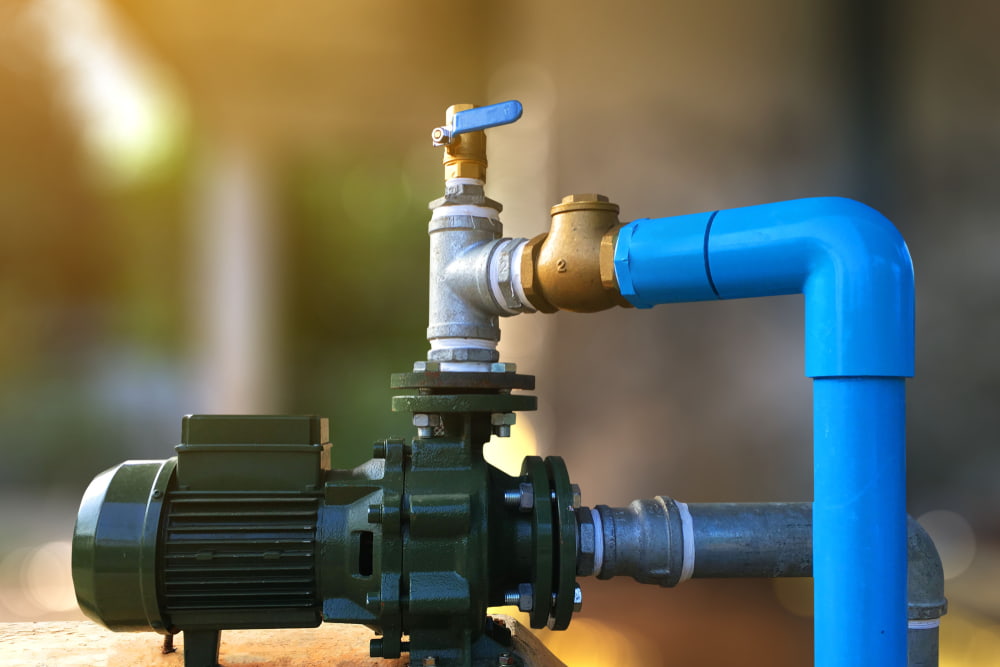
- Explain the key components: impeller (fan-like blades), inlet (where water enters), and outlet (where pressurized water exits).
- Describe how the motor spins the impeller, creating centrifugal force that flings water outwards.
- Explain how this creates a low-pressure zone at the inlet, drawing more water in, and a high-pressure zone at the outlet, pushing water out.
Putting it All Together: From Source to Tap
- Explain how a pressure tank is often used with centrifugal pumps to maintain consistent pressure and avoid pump cycles for every tap turn.
- Briefly describe how a pressure switch automatically turns the pump on and off based on pressure needs.
Beyond the Basics: Considerations and Applications
- Discuss factors to consider when choosing a pump, like well depth, flow rate needs, and noise level.
- Mention different applications of domestic pumps, like sprinkler systems, rainwater harvesting, and boosting pressure in multi-story homes.
Conclusion: The Heart of Your Home’s Water System
- Briefly summarize the importance of domestic pumps in ensuring a smooth flow of water for all our household needs.
- End with a call to action, encouraging readers to learn more about pump maintenance or seek professional help if needed.


