
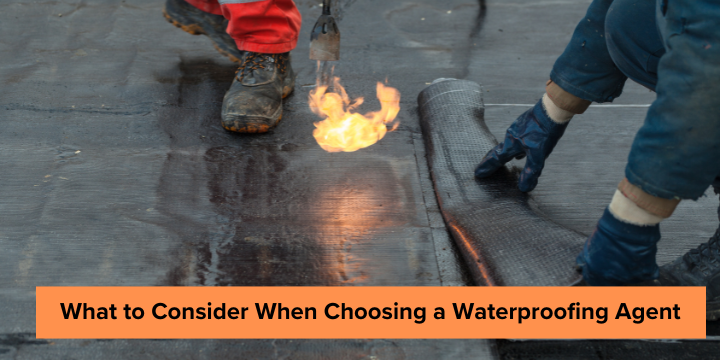
Water damage can cause severe structural issues in buildings, leading to costly repairs and health hazards like mold and mildew. Whether you’re protecting your home or a commercial property, selecting the right waterproofing agent is crucial.
A waterproofing agent is a chemical substance or coating applied to surfaces to prevent water penetration. It plays a vital role in waterproofing work, helping to safeguard roofs, walls, foundations, and floors from moisture damage. However, with so many waterproofing products available in Nepal, choosing the right one can be overwhelming.
In this guide, we will explore the key factors to consider when selecting a waterproofing agent and how to find the best waterproofing materials for your specific needs.
Why is Choosing the Right Waterproofing Agent Important?
Using an effective waterproofing agent ensures that your property remains dry, safe, and structurally sound. Without proper waterproofing, you may encounter:
- Leaks and damp walls – Water seepage can cause stains, peeling paint, and cracks.
- Mold and mildew growth – Excess moisture creates an unhealthy living environment.
- Weakened foundations – Water can erode the foundation, leading to structural damage.
- Expensive repairs – Fixing water damage is costly and time-consuming.
Selecting the right waterproofing compound or waterproofing chemical will help you avoid these problems and extend the lifespan of your building.
Factors to Consider When Choosing a Waterproofing Agent
1. Type of Surface to Be Waterproofed
Different surfaces require different waterproofing agents. Consider whether you are waterproofing a roof, wall, basement, or floor, as each area may need a specific waterproofing material.
- Roofs: A waterproofing membrane or waterproofing sheet is best for long-term protection.
- Walls: Waterproofing paint or cementitious waterproofing products are ideal.
- Basements: Bituminous or polyurethane waterproofing compounds work well.
- Floors: Epoxy or acrylic waterproofing chemicals provide a strong protective layer.
2. Waterproofing Performance and Durability
Not all waterproofing agents provide the same level of protection. Some are temporary solutions, while others offer long-lasting results.
- Short-term solutions (1-3 years): Waterproofing paint and waterproofing chemicals
- Medium-term solutions (5-7 years): Waterproofing membranes and cement-based waterproofing compounds
- Long-term solutions (10+ years): Polyurethane and bituminous waterproofing sheets
Consider how long you need the waterproofing to last and choose a product accordingly.
3. Climate Conditions in Nepal
Nepal’s weather conditions play a big role in selecting the right waterproofing material.
- For heavy rainfall areas: Use waterproofing membranes or bituminous waterproofing chemicals.
- For extreme temperature changes: Choose an elastomeric waterproofing agent that expands and contracts.
- For humid environments: Waterproofing cement or epoxy coatings work best.
4. Type of Waterproofing Chemical Used
Different waterproofing chemicals provide different benefits. Some common types include:
- Cementitious waterproofing: Ideal for basements and water tanks.
- Acrylic waterproofing: Suitable for walls and decorative coatings.
- Bituminous waterproofing: Best for roofs and underground structures.
- Polyurethane waterproofing: Offers superior flexibility and durability.
5. Cost and Budget Considerations
The waterproofing price varies depending on the type of waterproofing agent, brand, and application method.
- Affordable options: Cementitious waterproofing materials and acrylic waterproofing paint
- Mid-range options: Bituminous waterproofing compounds
- Premium options: Polyurethane waterproofing membranes and waterproofing sheets
While cost is a factor, investing in a high-quality waterproofing agent saves money in the long run by preventing costly repairs.
6. Ease of Application
Some waterproofing products require professional application, while others can be applied by homeowners.
- Easy DIY application: Waterproofing paint and acrylic-based waterproofing chemicals
- Professional application recommended: Waterproofing membranes, bituminous coatings, and polyurethane-based waterproofing agents
If you’re unsure about application methods, consult a waterproofing expert in Nepal.
Best Waterproofing Agents Available in Nepal
Several top waterproofing products are available in Nepal. Some of the most recommended include:
- Waterproofing paint – Provides quick surface protection for walls and ceilings.
- Waterproofing cement – Strengthens concrete and prevents water absorption.
- Waterproofing membranes – Offers long-lasting roof and basement protection.
- Waterproofing chemicals for roofs – Prevents leaks and extends the life of roofing materials.
How to Apply a Waterproofing Agent?
Proper application of a waterproofing agent is essential for achieving the best results. Here’s a step-by-step guide:
Step 1: Surface Preparation
- Clean the surface thoroughly to remove dust, grease, and debris.
- Repair any cracks with a waterproofing compound before applying the waterproofing agent.
Step 2: Applying the Waterproofing Agent
- Stir the waterproofing chemical properly before use.
- Use a brush, roller, or sprayer for even application.
- Apply multiple coats if necessary, allowing each layer to dry completely.
Step 3: Curing and Maintenance
- Allow the waterproofing material to cure for 24-48 hours before exposing it to water.
- Regularly inspect and reapply as needed for long-term protection.
Conclusion
Choosing the right waterproofing agent is essential for protecting your home from water damage. Factors such as surface type, durability, climate, and budget play a crucial role in determining the best waterproofing material for your needs.
From waterproofing chemicals for roofs to waterproofing membranes for basements, selecting high-quality waterproofing products ensures long-lasting protection. If you’re unsure which waterproofing agent to use, consulting an expert can help you make the right decision.
Invest in the best waterproofing work today to keep your home safe, dry, and damage-free!


