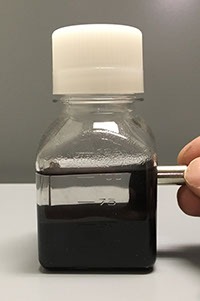
Capturing low-abundance antigens can be challenging when your sample contains limited target protein, complex biological components, or high levels of nonspecific background. Even when your target antigen is present, inefficient binding, inappropriate incubation conditions, and sample loss during washing can reduce recovery. To obtain reliable results, you need a capture strategy that maintains antigen-binding efficiency while minimizing unnecessary handling.
Protein Ag Magnetic Beads offer a practical approach for isolating target antigens through antibody-mediated interactions. Their magnetic separation properties simplify sample processing, while affinity-based capture helps you enrich specific targets from complex mixtures. By selecting suitable antibodies, controlling sample conditions, and optimizing bead usage, you can improve the recovery of low-abundance antigens for downstream analysis.
1. Understand the Challenges of Low-Abundance Antigen Capture
Low-abundance antigens require careful handling because even small processing losses can significantly affect the final recovery. Your target may be masked by abundant proteins, degraded during sample preparation, or lost through weak antibody interactions.
Common challenges include:
- Low target antigen concentration in the starting material.
- Competition from highly abundant background proteins.
- Insufficient antibody-binding capacity.
- Inappropriate sample pH or salt concentration.
- Excessive washing that removes weakly bound targets.
- Nonspecific interactions that interfere with detection.
Before beginning purification, determine the expected antigen concentration, sample composition, and downstream detection requirements. This information helps you select appropriate capture conditions instead of relying on unnecessary increases in bead quantity or incubation time.
2. Select an Antibody With Strong Target Recognition
Antibody selection is one of the most important factors in low-abundance antigen isolation. Your antibody must recognize an accessible epitope and maintain sufficient affinity under the selected experimental conditions.
Consider the following factors:
Specificity: Select an antibody that recognizes your intended antigen without substantial cross-reactivity.
Affinity: Prefer antibodies with strong target binding under the planned buffer conditions.
Epitope accessibility: Confirm that sample preparation does not hide or damage the recognized epitope.
Antibody compatibility: Check whether the antibody species and isotype are compatible with your affinity capture system.
Protein A and Protein G-based affinity interactions are commonly used to capture compatible immunoglobulins. However, their binding characteristics differ according to antibody species and subclass. Verify compatibility before starting your experiment.
3. Choose Suitable Protein Ag Magnetic Beads
Your bead selection directly influences capture efficiency, separation convenience, and reproducibility. Protein Ag Magnetic Beads support antibody-mediated antigen isolation by combining affinity-based capture with magnetic separation.
When evaluating a bead system, consider:
- Magnetic response and separation speed.
- Antibody-binding capacity.
- Bead size and suspension characteristics.
- Compatibility with your sample and buffer conditions.
- Storage requirements and handling stability.
- Suitability for immunoprecipitation and protein purification workflows.
Avoid assuming that maximum bead capacity automatically produces maximum antigen recovery. Your actual results depend on antibody loading, target availability, binding kinetics, and sample complexity.
4. Prepare Samples to Preserve Antigen Integrity
Effective sample preparation is essential when your target is present at low concentrations. Harsh extraction conditions can damage antigen structure or interfere with antibody recognition.
Use a preparation buffer that maintains antigen solubility and preserves the relevant binding epitope. For sensitive protein samples, consider adding compatible protease inhibitors to reduce degradation.
You should also:
- Remove insoluble particles through suitable clarification.
- Avoid unnecessary freeze-thaw cycles.
- Maintain recommended sample storage conditions.
- Prevent excessive sample heating.
- Check whether detergents or additives interfere with antibody binding.
If your antigen is membrane-associated or part of a protein complex, select extraction conditions that preserve the interactions required for successful capture.
5. Optimize Antibody and Antigen Binding Conditions
When your target antigen is present at very low concentrations, binding efficiency becomes particularly important. You need sufficient contact between the antibody-coated beads and the antigen without creating excessive nonspecific interactions.
Consider testing different incubation periods and mixing conditions. Gentle end-over-end rotation helps maintain bead suspension and improves contact between the sample and immobilized antibodies.
For your initial optimization, evaluate:
Antibody quantity: Test different antibody concentrations to identify an effective loading level.
Bead quantity: Compare bead amounts to determine whether available binding capacity is sufficient.
Incubation time: Evaluate different incubation periods, particularly when antibody affinity is relatively low.
Temperature: Use suitable temperature conditions to preserve antigen stability.
Mixing: Maintain gentle, consistent mixing to prevent bead settling.
For low-concentration samples, pre-incubating the antigen with its specific antibody before bead capture can improve binding opportunities. This indirect immunoprecipitation approach is particularly useful when antigen concentration or antibody affinity limits capture efficiency. However, longer incubation may also increase background binding, so evaluate recovery and specificity together.
6. Control Nonspecific Binding During Washing
Washing is essential for removing contaminants while retaining your target antigen. However, excessive washing can reduce recovery when antigen-antibody interactions are relatively weak.
To maintain a suitable balance:
- Begin with a compatible, moderate-strength washing buffer.
- Use gentle pipetting or rotation to resuspend the beads.
- Avoid unnecessary exposure to harsh detergents.
- Adjust salt concentration when background contamination is high.
- Evaluate the number of washing cycles based on sample purity.
- Retain wash fractions during initial experiments for troubleshooting.
If you observe substantial background signals, gradually adjust detergent concentration or washing stringency. If target recovery decreases, return to milder conditions.
The objective is to remove unwanted proteins without disrupting the antigen-antibody complex. Buffer composition and washing frequency should be optimized for each antibody-antigen combination.
7. Use Magnetic Separation to Minimize Sample Loss
Magnetic separation provides a convenient way to collect beads without conventional centrifugation. This can simplify handling when working with small sample volumes or multiple purification reactions.
For consistent separation:
- Allow sufficient time for complete magnetic collection.
- Remove supernatants carefully without disturbing the bead pellet.
- Avoid aspirating beads during liquid removal.
- Resuspend beads completely before each subsequent step.
- Use appropriately sized tubes and compatible magnetic separators.
Save the initial flow-through and selected wash fractions during method development. Analyzing these fractions can help you determine whether the antigen remains unbound or becomes lost during washing.
This approach allows you to identify processing problems instead of assuming that low final recovery results from insufficient antibody affinity.
8. Select an Appropriate Elution Method
After successful antigen capture, you need to release the target without compromising its integrity or downstream analytical performance.
Common elution approaches include:
Low-pH elution: Useful for releasing many antibody-antigen complexes, but may affect sensitive proteins.
Competitive elution: Appropriate when a compatible competing molecule can disrupt the interaction.
Denaturing elution: Useful when the next step involves SDS-PAGE or Western blotting.
If your target is sensitive to pH changes, evaluate neutral or alternative elution conditions where compatible with the capture system. For low-pH elution, neutralize the collected fraction promptly when required.
If you intend to perform mass spectrometry, consider whether antibody contamination could interfere with peptide identification. Antibody crosslinking or alternative capture arrangements may help address this issue.
9. Evaluate Recovery and Improve Experimental Reproducibility
Successful low-abundance antigen capture requires more than obtaining a visible signal. You should assess target recovery, specificity, and consistency across experiments.
Use suitable analytical methods such as:
- Western blotting to confirm target identity.
- ELISA to quantify antigen recovery.
- SDS-PAGE to evaluate sample purity.
- Mass spectrometry to identify enriched proteins.
Compare the starting material, unbound fraction, wash fractions, and final eluate. This helps you determine where antigen loss occurs.
Maintain consistent records of antibody concentration, bead quantity, sample volume, incubation time, buffer composition, and washing conditions. Once you identify effective conditions, apply the same protocol across subsequent experiments.
Why Choose Protein Ag Magnetic Beads for Antigen Capture?
When your research requires sensitive antigen isolation, magnetic affinity-based workflows can simplify sample processing and improve handling consistency.
The main advantages include:
- Convenient magnetic separation.
- Antibody-mediated target enrichment.
- Reduced dependence on conventional centrifugation.
- Adaptability to immunoprecipitation workflows.
- Practical handling of multiple samples.
- Compatibility with suitable downstream protein analysis methods.
Selecting an appropriate bead system and optimizing experimental parameters can help you establish a reliable workflow for low-abundance antigen recovery.
For suitable affinity-based purification products and molecular biology reagents, visit Lytic Solutions, LLC. You can also review the Protein Ag Magnetic Beads product information to identify a suitable option for your research requirements.
Frequently Asked Questions
How do Protein Ag Magnetic Beads help capture low-abundance antigens?
Protein Ag Magnetic Beads support antibody-mediated antigen capture and magnetic separation, helping you enrich specific target proteins from complex biological samples.
How can you increase antigen recovery during magnetic bead purification?
You can improve recovery by selecting a high-specificity antibody, adjusting bead quantity, optimizing incubation time, maintaining suitable buffer conditions, and minimizing excessive washing.
Why is antibody selection important for low-abundance antigen isolation?
Your antibody determines target recognition and binding efficiency. A highly specific antibody with suitable affinity helps reduce nonspecific interactions and improves antigen enrichment.
Can Protein Ag Magnetic Beads be used for immunoprecipitation?
Yes, compatible Protein A/G-based magnetic bead systems are commonly used in immunoprecipitation to isolate antibody-associated target antigens from complex samples.
How do you minimize antigen loss during magnetic separation?
Use a suitable magnetic separator, allow sufficient collection time, avoid disturbing the beads during aspiration, and completely resuspend the beads between processing steps.
Which analytical methods can verify successful antigen capture?
Western blotting, ELISA, SDS-PAGE, and mass spectrometry can help assess antigen identity, recovery, purity, and enrichment.
How often should you wash Protein Ag Magnetic Beads?
Washing frequency depends on sample complexity and antibody-antigen affinity. Begin with a suitable standard protocol and adjust washing conditions according to background contamination and target recovery.
Conclusion
Capturing low-abundance antigens requires careful control over antibody specificity, sample preparation, bead quantity, incubation conditions, washing, and elution. By systematically evaluating these parameters, you can minimize target loss, reduce background contamination, and improve the reliability of your purification results.
Protein Ag Magnetic Beads provide a convenient affinity-based approach for antibody-mediated antigen isolation. Selecting compatible magnetic beads and establishing reproducible experimental conditions can help you achieve consistent results across demanding protein research applications.
For product information, technical assistance, or research reagent requirements, Contact us today at Lytic Solutions, LLC.