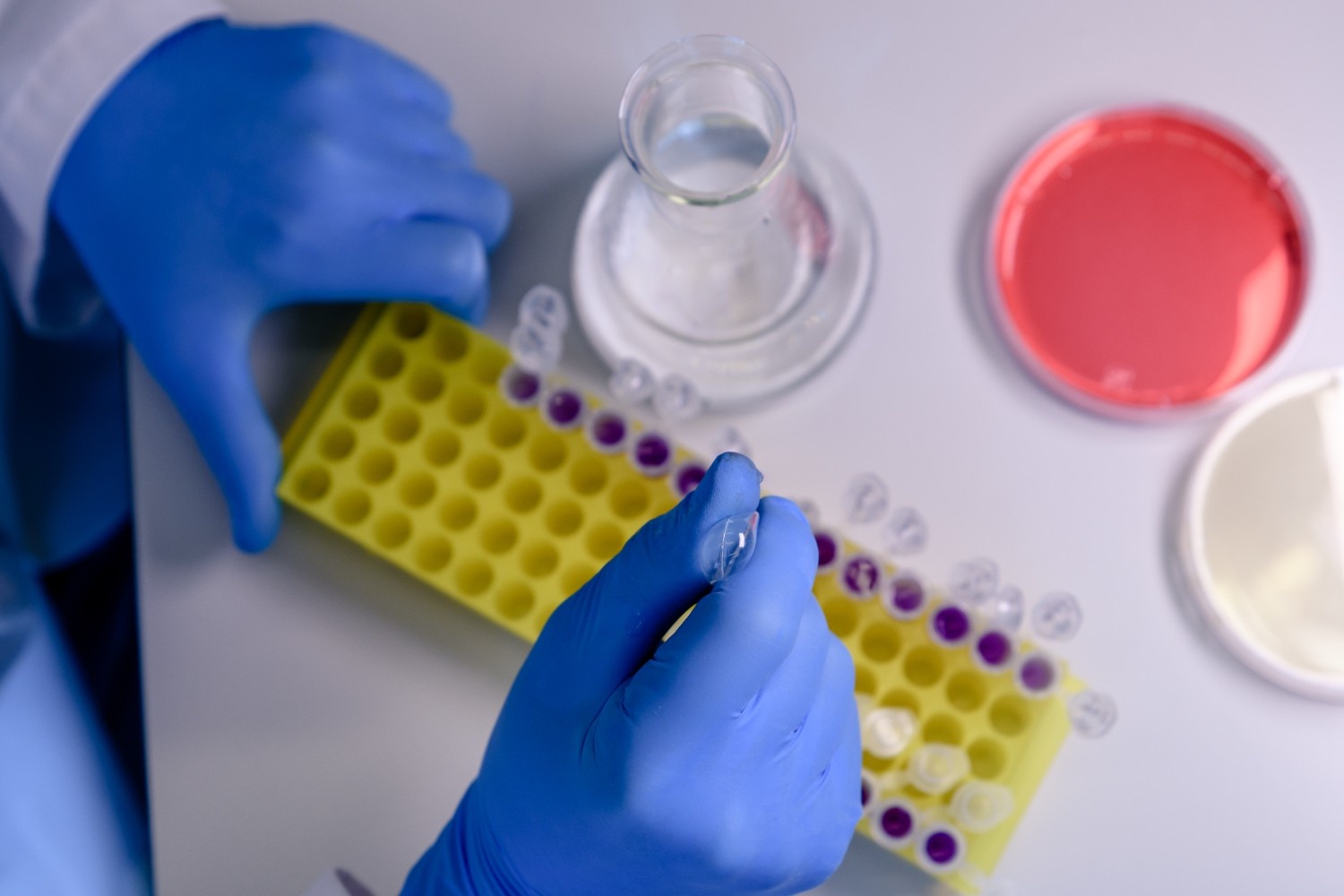
When you work with valuable protein samples, even small losses during purification can affect downstream assays, characterization, and overall project efficiency. Magnetic beads protein purification can help you simplify separation while maintaining better control over sample handling. By selecting suitable beads, controlling binding conditions, and reducing unnecessary transfers, you can limit avoidable protein loss throughout your workflow.
Choose Beads Based on Your Target Protein
Your first step is to match the magnetic bead chemistry with your purification objective. Protein A magnetic beads are commonly used for antibody-related applications, while other affinity chemistries can support different target molecules. Consider the target protein’s binding properties, sample composition, required purity, and downstream application before selecting your beads.
Avoid choosing beads based only on convenience or price. A suitable binding interaction can reduce repeated purification steps and help you recover more of your desired protein.
For specialized applications, Magnetic Beads Protein Purification can provide a practical approach for separating target proteins from complex samples while reducing manual handling.
Use the Right Bead-to-Sample Ratio
Too little bead material can leave target protein in the unbound fraction. However, using excessive beads does not automatically guarantee better recovery. You should establish a practical bead-to-sample ratio through small-scale testing.
Start with the supplier’s recommended range, then compare recovery across several conditions. Monitor both the unbound and elution fractions to determine whether your target is being captured efficiently. This approach helps you identify whether poor recovery results from insufficient binding capacity or another step in the workflow.
Control Binding Conditions Carefully
Binding efficiency depends on factors such as pH, salt concentration, protein concentration, incubation time, and temperature. If these conditions are unsuitable, your target may remain in solution even when the beads have adequate capacity.
Before processing your complete sample, test the binding conditions using a representative aliquot. Keep variables controlled so you can identify which adjustment affects recovery. Gentle mixing is generally preferable to unnecessarily aggressive agitation that could contribute to protein instability or foaming.
Reduce Unnecessary Sample Transfers
Every transfer creates an opportunity for protein to remain on a tube wall, pipette tip, filter, or other surface. Magnetic separation can help reduce these losses because you can collect the beads against the vessel wall and remove the liquid without transferring the bead-bound protein to another container.
Where practical, perform binding, washing, and elution in the same vessel. Fewer transfers mean fewer opportunities for mechanical loss and simplify the overall workflow.
Optimize Washing Without Overwashing
Washing removes unwanted contaminants, but excessive washing can reduce recovery if the target protein begins to dissociate from the beads. You should therefore balance purity against yield.
Use a wash buffer that removes nonspecific proteins without disrupting your intended affinity interaction. Compare recovery after different numbers of wash cycles. If additional washes provide only a small purity benefit while noticeably reducing yield, consider reducing the number of cycles.
Use Consistent Magnetic Separation
Incomplete separation can carry beads into discarded fractions, while excessive handling can increase sample loss. Use consistent separation times and allow the bead pellet or bead collection zone to form completely before removing the liquid.
During aspiration, position the pipette carefully so you remove the supernatant without disturbing the collected beads. This simple technique can make a meaningful difference when working with small sample volumes.
Minimize Elution Losses
Elution is another critical stage. Your elution buffer, volume, contact time, and mixing conditions can influence how much protein you recover.
Use the smallest practical elution volume that supports your downstream requirements. If recovery is low, compare one longer elution with multiple shorter elutions and analyze each fraction. You may find that a second elution recovers additional target protein, particularly when the interaction is relatively strong.
Avoid leaving your purified protein exposed to unsuitable conditions after elution. Move promptly to an appropriate storage or downstream buffer when necessary.
Measure Recovery at Each Stage
Do not evaluate the purification process only by looking at the final tube. Analyze representative fractions, including the starting material, flow-through, wash fractions, and elution.
This gives you a clearer picture of where sample loss occurs. For example, substantial target protein in the flow-through may indicate incomplete binding, whereas protein appearing in wash fractions may indicate overly stringent washing. If most of the target remains associated with the beads after elution, your elution conditions may require adjustment.
Build a Repeatable Workflow
Once you identify suitable conditions, document the bead quantity, sample volume, buffer composition, incubation time, separation method, wash cycles, and elution conditions. Consistency makes troubleshooting easier and helps you reproduce recovery from batch to batch.
If your application requires specialized purification support or affinity reagents, Lytic Solutions, LLC provides resources for protein purification and molecular biology workflows.
Final Considerations
Limiting sample loss with magnetic beads protein purification requires more than selecting a high-quality bead. You should control the entire workflow, from bead selection and binding through washing, magnetic separation, elution, and sample handling. Small improvements in each stage can collectively increase recovery and reduce unnecessary sample consumption.
When you treat recovery as a measurable process rather than a single purification outcome, you can identify loss points and make targeted adjustments. For project-specific requirements, Contact us today to discuss suitable protein purification solutions.
Frequently Asked Questions
What is magnetic beads protein purification?
Magnetic beads protein purification uses functionalized magnetic particles to capture target proteins from a sample. A magnetic field separates the beads from liquid, simplifying washing and recovery.
How can you reduce protein loss during bead purification?
You can reduce loss by minimizing transfers, selecting suitable bead chemistry, controlling binding conditions, using appropriate wash cycles, and optimizing elution volume and time.
Why is the bead-to-sample ratio important?
The ratio affects binding capacity and recovery. Too few beads may leave target protein unbound, while excessive beads may increase material use without providing proportional recovery benefits.
Can excessive washing reduce protein recovery?
Yes. If washing conditions weaken the target-bead interaction, some target protein may enter the discarded wash fractions. You should balance contaminant removal with target retention.
Why should you analyze the flow-through fraction?
Analyzing the flow-through helps determine whether your target protein failed to bind efficiently. Significant target in this fraction may indicate unsuitable binding conditions or insufficient bead capacity.
How does magnetic separation help limit sample loss?
Magnetic separation lets you retain bead-bound protein while removing surrounding liquid. This can reduce transfers and handling steps that may cause protein to remain on laboratory surfaces.
How can you improve elution recovery?
You can test elution buffer composition, volume, contact time, and repeated elutions. Comparing fractions helps identify conditions that release more target protein from the beads.
Should you use the same purification conditions for every protein?
No. Protein properties and affinity interactions vary. You should establish binding, washing, and elution conditions according to your target and intended downstream application.
What causes protein to remain on magnetic beads?
Strong affinity interactions, unsuitable elution conditions, insufficient contact time, or inadequate elution volume can leave target protein associated with the beads.
How do you identify where protein loss occurs?
Analyze starting material, flow-through, wash fractions, and eluates. Comparing these fractions helps you determine whether loss occurs during binding, washing, separation, or elution.