Urban customers expect speed, accuracy, and clear updates. Whether you run a local service or a growing multi-zone operation, the last mile is where trust is earned or lost. Small delays can ripple into cancellations and refunds. A consistent routing routine helps you keep promises even when traffic, weather, and order spikes hit at once.
Many teams still plan routes manually, especially at the start. That can work for a handful of stops, but it becomes risky as soon as volume grows. Without a structured view of capacity and time windows, drivers may overlap, waste miles, or miss priority jobs. The right process creates fair workloads and reduces daily firefighting.
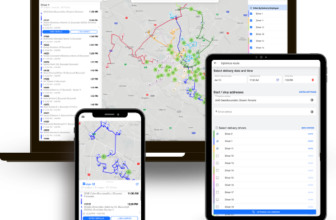
A practical way to stabilize performance is to use a delivery route planner that turns orders and job tickets into efficient sequences. It supports smarter clustering and clearer ETAs. With fewer last-minute changes, dispatchers can focus on exceptions instead of rebuilding the entire day. This gives customers a calmer experience and gives drivers a more predictable shift.
Patient-first logistics with safer planning
Pharmacy distribution is not like standard retail delivery. Schedules can be strict, instructions can be sensitive, and delays may affect treatment routines. That makes planning quality a safety issue, not just a cost issue. A structured approach reduces late arrivals and helps teams handle urgent requests without disrupting the rest of the route.
When volume expands beyond a small neighborhood radius, the operational challenge increases. You need a way to prioritize urgent drops while respecting route efficiency. This is where pharmacy delivery software can help align patient needs with driver capacity and realistic travel times. It can also reduce manual phone coordination by centralizing updates and delivery notes. Over time, this creates more predictable service for patients who rely on routine schedules. It also supports cleaner proof-of-delivery habits and clearer exception records for internal review.
To support consistent outcomes, many teams rely on a simple daily discipline:
- Confirm priority orders early.
- Validate addresses and notes.
- Balance loads across shifts.
Laundry routes that keep customers loyal
As a business grows, the biggest risk is overpromising. New zones add travel time, and peak-day demand can stretch small fleets. Using laundry delivery software can help you group stops by neighborhood, protect time windows, and reduce unnecessary backtracking. This improves the customer experience while keeping margins stable during busy cycles.
Laundry pickup and return services are built on convenience. Customers expect precise windows, clean handoffs, and reliable tracking. If the route is late, the whole service feels unreliable even if the cleaning quality is excellent. A consistent ETA and a short update message can prevent most frustration. This is especially important for recurring weekly customers who build their routines around your schedule. That is why route structure and communication matter.
A simple operational checklist can make daily routing smoother:
- Define the main pickup zones.
- Set realistic return windows.
- Keep buffer time for exceptions.
- Review peak-day patterns weekly.
Coordinating multiple service types
Some companies handle more than one last-mile category under the same roof. A business might deliver medications in the morning and handle scheduled service pickups later in the day. Without a unified routing logic, these mixed operations can cause confusion and uneven workloads. The goal is to turn complexity into a repeatable plan.
Clear rules help teams avoid chaos. Assigning vehicles by service type, setting priority tiers, and using consistent time estimates make dispatch decisions easier. This approach also improves onboarding for new drivers. When the system is standardized, performance does not depend on one experienced dispatcher carrying the operation mentally every day.
A weekly review of route data can reveal hidden costs. You may discover certain zones that are consistently unprofitable or time windows that are too tight for real traffic conditions. Small adjustments in service areas or shift start times can deliver meaningful efficiency gains without lowering service quality.
Growing without sacrificing daily quality
The most sustainable growth happens when you scale processes before you scale territory. A stable routing routine protects your brand and improves team morale. Drivers who trust the plan are more likely to follow it closely and provide better feedback. Customers who receive accurate ETAs are more forgiving when rare delays occur.
A pilot approach can help you expand safely. Start with one area, track on-time performance, and adjust stop density rules. Then extend the same logic to the next zone. This step-by-step method keeps investment practical and reduces the risk of churn triggered by inconsistent service in newly added neighborhoods.
Long-term success in last-mile services comes from simple consistency. Transparent planning, realistic time windows, and thoughtful exception handling create a reliable experience across categories. When your routes feel predictable to both customers and staff, growth becomes less stressful. The operation stays agile, and your service reputation remains strong as demand rises.