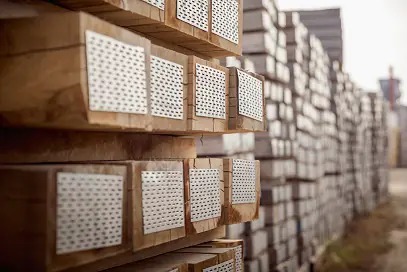
Wood is a strong material and it brings a natural warmth that few other materials can match. It’s also versatile and a popular choice for both traditional and modern construction projects. Its timeless appeal and practical benefits make it suitable for a wide range of uses.
It can look elegant in contemporary architecture, rustic in countryside settings, or classic in traditional homes. However, not every wooden structure is built to last. Some begin to show signs of wear after only a few years, while others remain solid for decades.
Building durable structures depends on a few key factors like choosing the right type of wood and the right method to put together the parts. In demanding applications that must withstand pressure and outdoor exposure, it’s important to integrate durable solutions like railway sleepers.
It all starts with choosing the right type of wood
The lifespan of a wooden structure depends a lot on the material used from the beginning. Not all wood performs the same way. Some species are naturally denser and more durable, while others are softer and more suitable for indoor use.
It’s essential to select the correct wood for the intended purpose. A decorative indoor shelf doesn’t require the same resistance as a garden deck. Matching the type of material to the project helps avoid unnecessary repairs.
Here’re a few key things to consider during selection:
- Avoid timber with major cracks or sings of decay
- Consider appearance, grain, and finish options as well as performance
- Use pressure-treated softwood for many outdoor projects
- Buy from reputable suppliers whenever possible
Using quality materials may cost more at first, but it often saves money in the long run. Better wood usually means fewer structural problems, lower maintenance needs, and a more attractive final result.
Good construction methods make a big difference
Apart from material quality, a strong structure needs to be properly built. The installation techniques are just as important as the material itself. A stable foundation and careful assembly can significantly increase how long the construction lasts.
Many structural problems begin with small mistakes during the process. Uneven supports, weak joints, or incorrect fasteners are just a few examples. They can slowly lead to movement, sagging, or water damage. These issues can become serious over time, even if they may not be visible immediately.
Smart building practices that improve durability include:
- Keeping wooden posts out of direct soil contact when possible
- Allowing airflow around boards and enclosed areas
- Designing surfaces so water can drain away easily
- Sealing exposed end grain and vulnerable cur edges
Moisture is one of the most common causes of damage when it comes to wood. If water is allowed to collect, rotting and warping can develop much sooner than expected. Preventing water buildup should be a critical part of the design process.
Maintenance is essential to keep the construction stable
Many people assume that once the structure is finished, the work is done. But one of the biggest secrets to long-lasting wooden assemblies is regular maintenance. Without care, even high-quality wood can start cracking or absorbing excess moisture.
This doesn’t mean that these constructions are difficult to maintain. It simply means they benefit from occasional attention and this should be a priority. Basic upkeep can make a major difference in both appearance and lifespan.
Here are some easy ways to protect a wooden building:
| Examples | Details |
| Clean surfaces to remove dirt and buildup | Prevents moisture retention and helps preserve the finish of the wood |
| Reapply stain, oil, or protective coatings when needed | Creates a protective barrier against various external factors |
| Inspect for cracks, loose screws, or soft spots | Helps identify minor issues early before they become serious problems |
| Replace damaged boards early | Prevents structural weakness and avoids further deterioration |
| Watch for signs of mold or rot | Allows quick treatment and protects the rest of the system from damage |
Key aspects of durable interior and exterior projects
Wood remains one of the most practical materials available for multiple types of projects. It offers warmth, character, and performance when handled correctly. Whether used for a small garden feature, outdoor deck, or a more complex project, it proves its value over time.
This type of construction needs to be treated with care and built correctly. This way, it can be super strong and it can keep its appeal for many years. The right approach makes all the difference for both interior and exterior features.