
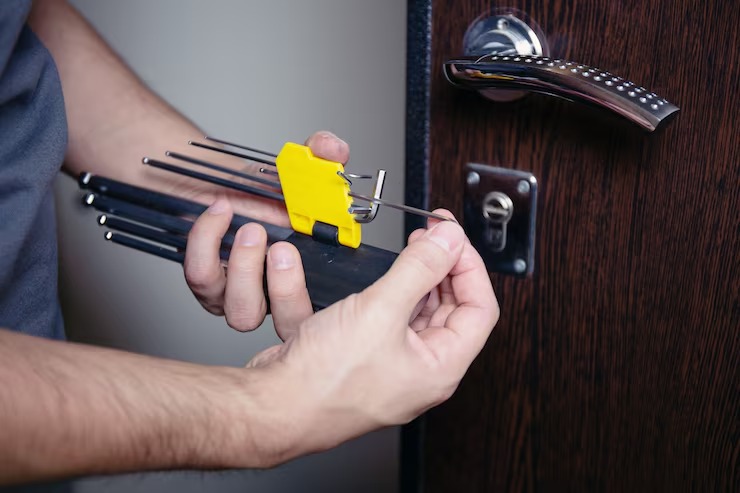
A break-in can change how secure you feel inside your own home. Even after the immediate damage has been addressed, you may wonder whether your existing locks are strong enough to prevent another intrusion. For Denver homeowners, upgrading door security after a burglary or attempted break-in is an important step toward restoring confidence and protecting family members and belongings.
Your existing lock may have been damaged, weakened, or exposed to forced-entry techniques during the incident. Simply repairing the visible damage may not address the underlying security concerns. A properly installed deadbolt, reinforced strike plate, and reliable door hardware can help strengthen your home’s primary entry points.
If you have recently experienced a security incident, understanding when and why to upgrade your deadbolts can help you make a more informed decision.
Why a Break-In Can Expose Weaknesses in Your Existing Locks
A break-in often reveals weaknesses that you may not have noticed before. Your door might look secure from the outside, but the locking mechanism, strike plate, or surrounding frame could be vulnerable.
For example, an intruder may have damaged the lock cylinder, loosened the mounting screws, or weakened the wooden frame while attempting to force the door open.
After an incident, pay attention to these warning signs:
- Visible lock damage: Scratches, bent components, or a damaged key cylinder may indicate attempted tampering.
- Loose door hardware: A deadbolt or strike plate that moves when touched may no longer provide dependable security.
- Door frame damage: Cracks, split wood, or enlarged screw holes can weaken the entire locking system.
- Sticking deadbolt: Difficulty extending or retracting the bolt may indicate internal or alignment problems.
- Outdated locking mechanisms: Older hardware may not provide the level of protection your home currently needs.
Do not assume your existing lock is safe simply because you can still turn the key. Have the entire locking assembly inspected before deciding whether repair or replacement is appropriate.
How a Deadbolt Upgrade Can Improve Home Security
A deadbolt provides an additional layer of protection compared with a standard spring-latch lock. Unlike spring latches, which can retract under certain types of pressure, a deadbolt uses a solid metal bolt that extends into the door frame.
When properly installed with compatible door hardware, it can make forced entry more difficult.
Here are several reasons to consider upgrading your deadbolt after a break-in:
1. Stronger locking protection
A quality deadbolt with appropriate hardware can improve resistance to common forced-entry attempts. Look for products tested to recognized residential security standards.
2. Better door frame support
A deadbolt works as part of a complete system. Reinforced strike plates and longer screws that reach the structural framing can help strengthen the connection between your door and frame.
3. Improved locking reliability
If your previous lock was damaged during a break-in, installing a new deadbolt can restore dependable operation and eliminate compromised components.
4. More control over home access
If your keys were stolen or their whereabouts are uncertain, replacing or rekeying the affected locks helps prevent unauthorized access using existing keys.
A deadbolt upgrade is most effective when the lock, door, frame, and strike plate work together.
Which Type of Deadbolt Should You Consider?
Not every deadbolt is suitable for every home. Your choice should depend on your door construction, household needs, existing hardware, and safety requirements.
Consider these common options:
Single-Cylinder Deadbolts
These locks use a key on the exterior and a thumb turn on the interior. They are commonly installed on residential entry doors and offer convenient everyday operation.
Double-Cylinder Deadbolts
These require a key on both sides. However, they can create an emergency exit hazard, particularly during a fire. Check applicable building and fire-safety requirements before considering this option.
High-Security Deadbolts
Certain high-security models offer additional resistance to picking, drilling, and unauthorized key duplication. Their features vary by manufacturer and product certification.
Electronic Deadbolts
Keypad and smart deadbolts allow you to enter using codes or compatible electronic credentials instead of relying exclusively on traditional keys. Depending on the model, you may also receive access notifications or remote locking features.
Choose a lock that balances security, convenience, and safe emergency access.
Why You Should Inspect More Than Just the Front Door
After a break-in, you may naturally focus on the damaged entrance. However, securing only one door can leave other access points vulnerable.
Walk around your property and inspect every exterior entrance.
Pay particular attention to:
- Back doors: Check the deadbolt, strike plate, and surrounding door frame.
- Garage entry doors: Make sure the door connecting your garage to your home has dependable locking hardware.
- Side entrances: Inspect less-visible doors that may receive less attention.
- Basement entrances: Check exterior basement doors and accessible entry points.
- Patio doors: Examine sliding door locks and consider additional security hardware where appropriate.
If you want to review additional preventive measures, explore these practical home lock safety tips for Denver homeowners.
A complete inspection helps you identify security gaps before they become another concern.
Should You Replace or Rekey Your Locks After a Break-In?
[Image Suggestions: A professional locksmith comparing a damaged residential deadbolt with a newly installed replacement lock.]
Replacing every lock is not always necessary after a burglary. The right solution depends on the condition of your existing hardware and whether your keys may have been compromised.
When should you replace the lock?
Consider replacement when:
- The deadbolt has visible physical damage.
- Internal components are broken or no longer operate properly.
- The existing lock is outdated or unsuitable for your security needs.
- You want to upgrade to a stronger locking system.
When is rekeying appropriate?
Rekeying may be suitable when the existing lock is mechanically sound but you no longer trust who has access to its keys.
A locksmith changes the internal pin configuration so previously issued keys no longer operate the lock. You receive new keys without necessarily replacing the entire lock.
APEX Locksmith Denver offers residential solutions including professional residential lock repair, replacement, and rekeying services to help homeowners address different security concerns.
Before making a decision, have the affected hardware inspected so you can choose a solution based on its actual condition.
Why Professional Deadbolt Installation Matters
[Image Suggestions: A professional locksmith installing a heavy-duty deadbolt and reinforced strike plate on a residential Denver home.]
Even a high-quality deadbolt may provide limited protection if it is installed incorrectly.
The bolt must align properly with the strike plate, and the strike plate should be securely attached to the door frame. Incorrect measurements, loose mounting hardware, or poor alignment can affect the lock’s operation and overall effectiveness.
Working with an experienced locksmith can help you avoid common installation problems.
A professional inspection should consider:
- Door material, thickness, and condition.
- Deadbolt compatibility with the existing door.
- Strike plate placement and frame reinforcement.
- Lock cylinder condition and security features.
- Smooth locking and unlocking from both sides.
- Safe emergency exit requirements.
A qualified Locksmith Denver homeowners contact after a break-in can also identify whether other locks need repair, replacement, or rekeying.
Restore Your Home’s Security With APEX Locksmith Denver
[Image Suggestions: A friendly professional locksmith standing beside a newly secured residential front door in a Denver neighborhood.]
Experiencing a break-in can leave you uncertain about your home’s security. However, taking practical steps after the incident can help you regain control over your property’s access and protection.
Start by documenting the damage, reporting the incident to the appropriate authorities, and having affected entry points inspected. If your keys were stolen, discuss immediate rekeying or replacement options. Consider upgrading damaged or outdated deadbolts and reinforcing vulnerable door frames.
APEX Locksmith Denver provides residential locksmith solutions throughout Denver and surrounding metro communities, including deadbolt installation, lock replacement, rekeying, and lock repair.
Whether you need to replace a compromised lock or improve the security of multiple entry points, choosing the right hardware and ensuring proper installation can make a meaningful difference.
Do not wait until another security concern develops. Take the next step toward protecting your home with professional locksmith assistance.
Contact APEX Locksmith Denver for residential deadbolt upgrades and lock security assistance and discuss the right solution for your property.
Frequently Asked Questions
[Image Suggestions: A homeowner and locksmith discussing residential deadbolt security beside a front entrance.]
1. Should you replace your deadbolt immediately after a break-in?
If the deadbolt is damaged, compromised, or no longer operates correctly, replacement should be arranged promptly. If keys were stolen, consider immediate rekeying or replacement to prevent unauthorized access.
2. Is a deadbolt stronger than a regular door lock?
A properly installed deadbolt generally offers better resistance to certain forced-entry methods than a standard spring-latch lock. Its effectiveness also depends on the door, frame, strike plate, and installation quality.
3. Can you rekey a deadbolt instead of replacing it?
Yes. If the deadbolt is mechanically sound, rekeying can make existing keys unusable while allowing you to continue using the same lock hardware.
4. Are smart deadbolts a good option after a break-in?
Smart deadbolts can offer convenient keyless entry, access codes, and monitoring features. Choose a reputable model with appropriate security features and maintain a backup access method.
5. How often should you inspect your home’s deadbolts?
Inspect your deadbolts periodically and whenever you notice sticking, loose hardware, visible damage, or changes in door alignment. After a break-in or attempted intrusion, arrange an immediate inspection.

