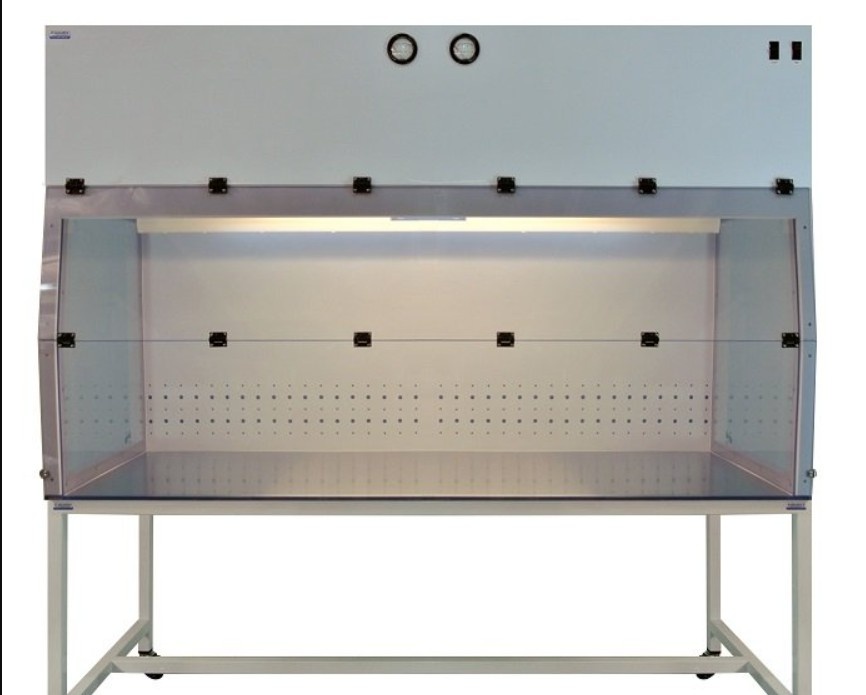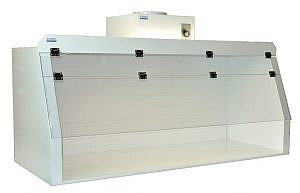
A polypropylene fume hood is one of the most valuable safety investments in your laboratory. It protects personnel from hazardous chemical fumes while providing a controlled workspace for handling corrosive substances. Although polypropylene is highly resistant to acids, moisture, and many aggressive chemicals, proper maintenance is still essential if you want your equipment to perform efficiently for years.
If you rely on a polypropylene fume hood every day, you should focus on preventive care instead of waiting for problems to appear. Regular inspections, proper cleaning, and responsible operation will reduce downtime, improve safety, and maximize your return on investment. Here are practical strategies you can use to extend the life of your laboratory equipment.
Why Does Proper Maintenance Matter?
Your fume hood operates continuously to remove hazardous vapors from your work area. Over time, chemical residues, airflow restrictions, and neglected maintenance can reduce its efficiency.
When you maintain your equipment correctly, you can:
- Improve laboratory safety
- Maintain consistent airflow performance
- Reduce repair costs
- Extend equipment lifespan
- Minimize unexpected downtime
- Support regulatory compliance
Routine care is always less expensive than replacing damaged laboratory equipment.
Clean the Hood After Every Use
Chemical residue is one of the biggest threats to long-term performance. Even though polypropylene resists corrosion better than many other materials, leftover chemicals should never remain on the work surface.
After completing your work:
- Wipe interior surfaces with approved cleaning solutions.
- Remove spills immediately.
- Dry surfaces completely.
- Dispose of chemical waste properly.
- Clean the work area before leaving the laboratory.
Avoid abrasive scrubbers that could damage the smooth polypropylene surface.
Use Compatible Chemicals
Not every chemical should be used inside the same hood without verifying compatibility.
Before introducing new substances:
- Review the manufacturer’s chemical compatibility recommendations.
- Avoid mixing incompatible chemicals.
- Follow laboratory chemical handling procedures.
- Store chemicals outside the hood whenever possible.
Using compatible chemicals reduces unnecessary stress on the hood’s interior surfaces and exhaust components.
For laboratories working with corrosive applications, choosing a chemical-resistant polypropylene fume hood for acid handling laboratories helps improve durability while supporting safe daily operations.
Monitor Airflow Performance Regularly
Airflow is the heart of every fume hood.
Even a clean hood cannot protect you if airflow falls below recommended levels.
You should routinely check:
- Face velocity
- Airflow alarms
- Exhaust duct performance
- Sash position
- Airflow monitor calibration
If airflow changes noticeably, investigate the cause immediately rather than continuing laboratory work.
Keep the Sash in the Correct Position
The sash is designed to protect you while maintaining proper airflow.
To extend equipment life:
- Operate the sash at the recommended working height.
- Avoid slamming the sash.
- Do not use it as a storage shelf.
- Inspect tracks for smooth movement.
Proper sash operation reduces wear on moving components and improves airflow stability.
Prevent Clutter Inside the Hood
Many laboratories unintentionally reduce airflow by overcrowding the workspace.
Keep only essential equipment inside the hood.
Avoid:
- Storing chemical containers
- Blocking rear air baffles
- Stacking unnecessary instruments
- Leaving unused materials inside
An organized workspace allows air to flow freely and reduces stress on the ventilation system.
Schedule Preventive Maintenance
Preventive maintenance identifies small issues before they become expensive repairs.
Create a maintenance schedule that includes:
- Airflow testing
- Visual inspections
- Fastener checks
- Exhaust connection inspection
- Lighting inspection
- Electrical component testing
- Surface condition evaluation
Document every inspection to maintain a complete service history.
Inspect Exhaust Connections
Even the best fume hood cannot perform efficiently if the exhaust system develops leaks or restrictions.
Regularly inspect:
- Duct connections
- Exhaust fans
- Dampers
- Flexible connectors
- Seals
Any airflow obstruction should be corrected immediately to maintain safe laboratory conditions.
Train Laboratory Personnel
Improper operation shortens equipment life faster than normal wear.
Every user should understand:
- Safe operating procedures
- Chemical compatibility
- Cleaning protocols
- Emergency procedures
- Proper sash positioning
- Routine inspection responsibilities
Consistent training ensures everyone follows the same best practices.
Protect the Hood from Physical Damage
Polypropylene is durable but not indestructible.
Avoid:
- Dropping heavy equipment inside the hood
- Striking the side panels
- Using sharp tools directly on the work surface
- Standing on the hood
- Modifying structural components
Simple care prevents unnecessary repairs.
Replace Worn Components Promptly
Small problems often become major failures when ignored.
Replace damaged:
- Gaskets
- Lighting components
- Airflow monitors
- Hinges
- Sash hardware
- Exhaust fittings
Timely replacement keeps the hood operating safely while preventing additional damage.
Work with a Trusted Laboratory Equipment Manufacturer
Equipment quality directly influences service life.
Working with an experienced manufacturer ensures access to:
- Quality materials
- Technical support
- Replacement parts
- Maintenance guidance
- Product expertise
Explore high-quality laboratory safety solutions from CleaTech LLC, a trusted manufacturer of polypropylene fume hoods and cleanroom equipment to support long-term laboratory performance.
If you need expert guidance selecting, maintaining, or upgrading your laboratory ventilation system, contact us today for professional polypropylene fume hood support and customized laboratory solutions.
Conclusion
Extending the life of a polypropylene fume hood begins with consistent care. Regular cleaning, airflow monitoring, preventive maintenance, proper chemical handling, and responsible daily operation all contribute to reliable long-term performance. By developing good maintenance habits and addressing small issues early, you can improve laboratory safety, reduce operating costs, and maximize the lifespan of your investment.
Frequently Asked Questions
How often should you clean a polypropylene fume hood?
You should clean the interior after each use and perform a more thorough inspection and maintenance routine on a scheduled basis.
Why is airflow testing important for a polypropylene fume hood?
Airflow testing confirms the hood is removing hazardous fumes effectively and maintaining a safe working environment.
Can polypropylene fume hoods handle corrosive chemicals?
Yes. Polypropylene offers excellent resistance to many acids and corrosive chemicals, making it suitable for chemical laboratories.
What shortens the life of a polypropylene fume hood?
Poor cleaning, blocked airflow, improper chemical use, physical damage, and neglected maintenance are common causes of premature wear.
When should you schedule professional maintenance?
You should schedule professional inspections at least annually or according to your laboratory’s safety policies and equipment usage.