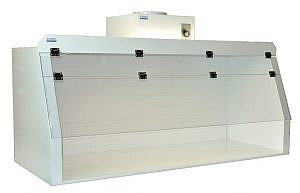
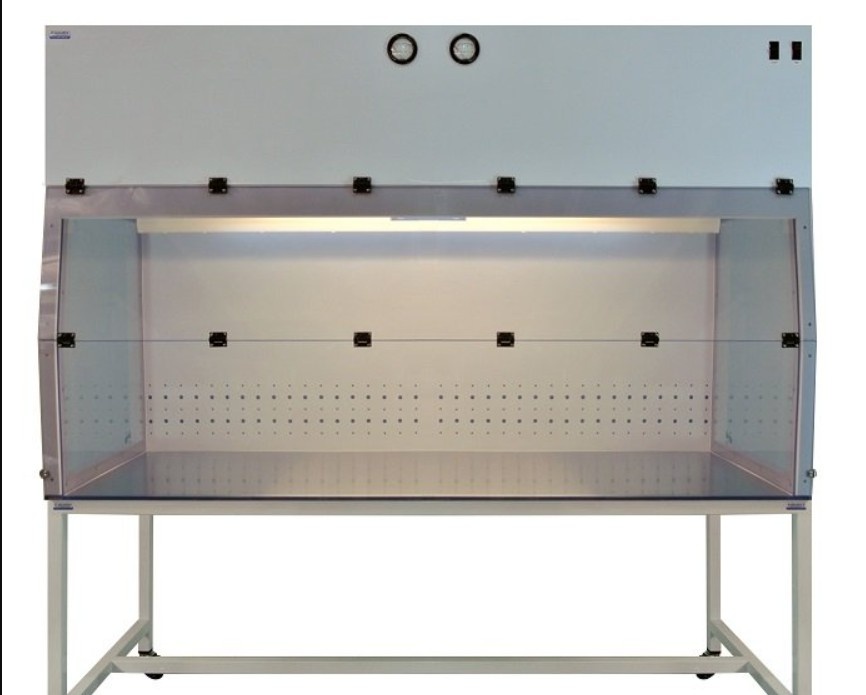
Precision manufacturing requires exceptional control, consistency, and cleanliness throughout every production stage. Whether you work in semiconductor fabrication, electronics, biotechnology, optics, or advanced research, even minor contamination or process variations can affect product quality. This is where specialized equipment plays a critical role. A properly designed wet processing station helps you perform chemical handling, cleaning, etching, rinsing, and surface treatment processes with improved accuracy and safety.
By integrating controlled environments, efficient ventilation, and ergonomic designs, wet processing stations support manufacturers in achieving reliable results while reducing operational risks. Understanding how these systems improve precision manufacturing can help you select the right solution for your facility.
What Makes Wet Processing Stations Essential for Precision Manufacturing?
Precision manufacturing depends on repeatable processes. When you handle sensitive components, uncontrolled chemical exposure, improper drainage, or inconsistent workflows can create defects. A wet processing station provides a dedicated workspace designed specifically for wet chemical applications.
You can use these systems to maintain better process control by managing chemical operations within a structured environment. Features such as chemical-resistant surfaces, integrated sinks, proper airflow management, and safe waste handling help you maintain consistent production standards.
Unlike traditional work areas, these stations are engineered to minimize contamination risks and provide operators with a safer and more organized workspace.
How Do Wet Processing Stations Improve Process Accuracy?
Accuracy is one of the biggest priorities in advanced manufacturing. A small error during cleaning, coating, or chemical treatment can impact the performance of a final product. A specialized wet processing station helps you improve accuracy in several ways.
Controlled Chemical Processing
Chemical processes require precise handling and stable conditions. Wet processing stations allow you to perform chemical applications in a controlled area where spills, splashes, and exposure risks are minimized.
With proper workspace organization, you can achieve more consistent results during processes such as:
- Component cleaning
- Chemical etching
- Surface preparation
- Material treatment
- Laboratory-scale production
This controlled approach helps reduce process variations and improves manufacturing reliability.
Reduced Contamination Risks
Clean manufacturing environments require strict contamination control. Dust, particles, and chemical residues can negatively affect sensitive products.
A well-designed wet processing station supports cleaner operations by providing dedicated areas for wet procedures. This separation prevents cross-contamination between different manufacturing stages and helps you maintain higher product quality.
For applications requiring controlled environments, you can explore advanced precision-engineered wet processing station solutions for cleanroom and laboratory applications designed to support demanding manufacturing requirements.
Why Is Safety Important in Wet Processing Applications?
Chemical-based manufacturing processes involve potential hazards, including corrosive substances, fumes, and accidental spills. A wet processing station improves workplace safety by providing features designed around chemical handling requirements.
Depending on your application, these systems may include:
- Chemical-resistant construction materials
- Drainage systems for liquid waste management
- Splash protection features
- Ergonomic workstation layouts
- Ventilation options for safer operations
When your operators work in a properly designed environment, they can perform tasks more confidently while reducing exposure risks.
How Do Wet Processing Stations Support Manufacturing Efficiency?
Efficiency is not only about faster production; it is also about reducing errors and improving workflow organization. A dedicated wet processing station allows you to arrange tools, chemicals, and equipment in a practical layout.
This improves:
- Operator productivity
- Process repeatability
- Workspace organization
- Maintenance efficiency
- Production consistency
Instead of adapting a general-purpose workspace for chemical processes, you can use a system specifically designed for your manufacturing needs.
What Industries Benefit from Wet Processing Stations?
Wet processing stations are valuable across multiple industries where precision and contamination control are important. You may find these systems useful in:
- Semiconductor manufacturing
- Electronics assembly
- Medical device production
- Pharmaceutical research
- Biotechnology laboratories
- Aerospace component processing
- Optical manufacturing
Each industry has unique requirements, but the common goal remains the same: achieving accurate, reliable, and repeatable processing results.
How Should You Select the Right Wet Processing Station?
Choosing the correct system requires careful consideration of your manufacturing requirements. Before investing, evaluate factors such as:
- Type of chemicals used
- Required workspace dimensions
- Material compatibility
- Ventilation requirements
- Drainage needs
- Cleaning procedures
- Safety standards
You should also consider future expansion. Selecting a flexible solution allows your workspace to adapt as your production requirements change.
A trusted manufacturer can help you identify the right configuration based on your application. CleaTech LLC provides specialized laboratory and cleanroom solutions designed to support advanced manufacturing environments.
How Do Wet Processing Stations Improve Long-Term Manufacturing Quality?
Long-term manufacturing success depends on maintaining consistent quality. A reliable wet processing station helps you create standardized procedures that reduce human error and improve operational control.
When your processes are performed in a controlled workspace, you can achieve:
- Better product consistency
- Fewer production defects
- Improved employee safety
- Reduced contamination concerns
- Higher operational reliability
This makes wet processing stations an important investment for companies focused on precision manufacturing and quality improvement.
Why Choose a Reliable Wet Processing Solution?
Your manufacturing environment directly impacts your product performance. Investing in a properly designed wet processing station allows you to create a safer, cleaner, and more efficient workspace.
Whether you need a system for research, prototyping, or industrial production, selecting equipment that matches your process requirements is essential. A high-quality solution helps you maintain accuracy while supporting future manufacturing goals.
For customized guidance, equipment details, and application support, you can Contact us today to discuss your precision manufacturing requirements.
Frequently Asked Questions
What is a wet processing station used for?
A wet processing station is used for chemical handling, cleaning, rinsing, etching, and surface treatment processes. It provides a controlled workspace that improves safety, accuracy, and contamination control.
How does a wet processing station improve manufacturing precision?
It improves precision by providing controlled chemical processing conditions, reducing contamination risks, and creating a consistent workflow for sensitive manufacturing operations.
Which industries use wet processing stations?
Industries such as semiconductor manufacturing, electronics, biotechnology, pharmaceuticals, and medical device production commonly use wet processing stations.
What materials are used in wet processing stations?
Wet processing stations are commonly built with chemical-resistant materials such as polypropylene, stainless steel, and other durable materials suitable for specific applications.
How do you choose the right wet processing station?
You should evaluate chemical compatibility, workspace requirements, safety features, ventilation needs, and your manufacturing process goals before selecting a system.