Reliable antibody purification starts with achieving strong and consistent binding. If you work with immunoprecipitation, antibody isolation, or protein purification, your results depend on how effectively your magnetic beads capture target antibodies. Even small improvements in binding efficiency can increase recovery, reduce sample loss, and produce cleaner downstream data.
Using Magnetic Beads Protein A correctly helps you obtain reproducible outcomes while minimizing processing time. Understanding the factors that influence binding allows you to maximize bead performance and improve experimental success.
Why Binding Efficiency Matters
When antibody binding is efficient, you recover more of your target while reducing contaminants. Poor binding often leads to lower yields, inconsistent purification, and additional troubleshooting.
You can achieve better performance by paying attention to sample preparation, antibody compatibility, incubation conditions, and proper bead handling. Each step contributes to overall purification quality.
Select High-Quality Magnetic Beads
Your choice of beads significantly affects binding capacity. High-quality Protein A magnetic beads provide:
- Strong affinity for IgG antibodies
- Uniform bead size
- Low nonspecific binding
- Fast magnetic separation
- Consistent batch-to-batch performance
Choosing premium Magnetic Beads Protein A for high-efficiency antibody purification helps you generate reliable and reproducible laboratory results across multiple applications.
Match Protein A with Your Antibody
Protein A does not bind every antibody equally. Before beginning purification, verify that your antibody species and subclass have strong affinity for Protein A.
Protein A generally performs well with many mammalian IgG antibodies, making it suitable for numerous research applications. Selecting the correct affinity ligand minimizes antibody loss and improves recovery.
If your antibody demonstrates weaker affinity, consider evaluating alternative purification strategies before starting your workflow.
Prepare Samples Carefully
Sample quality directly influences binding efficiency.
Before adding magnetic beads, make sure your samples are:
- Properly clarified
- Free of large particles
- Compatible with binding buffer
- Maintained at appropriate pH
- Stored correctly
Removing debris prevents bead aggregation and allows antibodies to interact freely with the Protein A surface.
Use the Recommended Bead-to-Sample Ratio
Adding too few beads limits antibody capture, while excessive beads may increase costs without providing additional benefit.
Always calculate the appropriate bead volume according to:
- Antibody concentration
- Sample volume
- Expected binding capacity
- Manufacturer recommendations
Following optimized loading guidelines ensures efficient use of reagents while maintaining excellent recovery.
Optimize Incubation Conditions
Binding occurs when antibodies have enough opportunity to interact with Protein A.
You can improve binding by optimizing:
- Incubation time
- Mixing speed
- Temperature
- Sample concentration
Gentle mixing keeps beads suspended and maximizes contact between antibodies and Protein A without damaging sensitive proteins.
Avoid vigorous vortexing that may reduce bead integrity.
Choose the Right Buffer
Binding buffers play an important role in Protein A purification.
An effective buffer should maintain:
- Stable pH
- Appropriate salt concentration
- Protein stability
- Minimal nonspecific interactions
Avoid harsh detergents or additives that interfere with antibody binding unless specifically recommended for your protocol.
Wash Thoroughly Without Losing Target Proteins
Effective washing removes contaminants while preserving bound antibodies.
Use multiple gentle wash steps rather than one aggressive wash. Proper washing improves purity without significantly affecting antibody recovery.
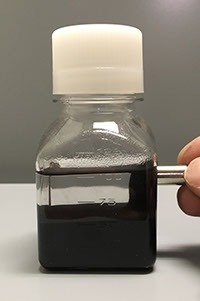
Magnetic separation allows rapid washing while minimizing sample handling, making workflows faster and more reproducible.
Prevent Nonspecific Binding
High background signals often result from nonspecific protein interactions.
You can reduce unwanted binding by:
- Using optimized wash buffers
- Maintaining clean laboratory practices
- Preventing sample contamination
- Avoiding overloading beads
- Using recommended incubation times
Lower background produces cleaner eluates and more reliable downstream analyses.
Handle Magnetic Beads Properly
Improper handling can reduce binding performance.
For best results:
- Mix beads gently before use.
- Never allow beads to dry.
- Store beads according to manufacturer recommendations.
- Avoid repeated freeze-thaw cycles.
- Resuspend beads completely before pipetting.
Consistent handling preserves bead functionality over time.
Validate Your Workflow
Even established protocols benefit from periodic optimization.
Monitor:
- Binding efficiency
- Recovery rate
- Sample purity
- Elution consistency
- Reproducibility
Small adjustments in incubation time, buffer composition, or bead quantity may significantly improve overall purification performance.
Work with Reliable Reagent Providers
High-quality reagents provide more consistent research outcomes. Choosing dependable suppliers ensures reliable manufacturing standards, quality control, and technical support.
Researchers seeking dependable purification products often choose Lytic Solutions, LLC for advanced Protein A magnetic bead solutions and protein purification technologies to support antibody purification, immunoprecipitation, and protein research workflows.
Reliable products help reduce variability while increasing confidence in experimental data.
Conclusion
Better binding using Magnetic Beads Protein A comes from optimizing every stage of your purification workflow. Selecting high-quality beads, preparing clean samples, using appropriate buffers, maintaining proper incubation conditions, and following recommended handling practices all contribute to stronger antibody capture and improved recovery.
Careful optimization saves valuable samples, reduces troubleshooting, and delivers reproducible purification results for both routine and advanced laboratory applications.
If you are looking for dependable Protein A magnetic bead products and expert guidance for your research, Contact us today for expert assistance with Magnetic Beads Protein A solutions and discover the right purification products for your laboratory needs.
Frequently Asked Questions
What are Magnetic Beads Protein A used for?
Magnetic Beads Protein A are commonly used for antibody purification, immunoprecipitation, immunoassays, and protein isolation because they selectively bind many IgG antibodies with high affinity.
How can you increase binding efficiency with Magnetic Beads Protein A?
You can improve binding by using high-quality beads, optimizing incubation time, selecting the correct buffer, maintaining sample quality, and following the recommended bead-to-sample ratio.
Which antibodies bind best to Protein A magnetic beads?
Protein A shows strong affinity for many mammalian IgG antibodies, particularly several human and rabbit IgG subclasses, making it suitable for a wide range of research applications.
Why is sample preparation important before using Protein A magnetic beads?
Clean, clarified samples reduce nonspecific interactions and allow antibodies to bind efficiently, resulting in higher recovery and improved purification quality.
Can Magnetic Beads Protein A be reused?
Some protocols allow bead reuse after proper regeneration, but performance depends on the application and manufacturer recommendations. Many researchers prefer fresh beads for maximum consistency.
What factors reduce Protein A binding efficiency?
Incorrect buffer conditions, poor sample quality, excessive washing, insufficient incubation, bead aggregation, and improper storage can all decrease binding performance.
Why are magnetic beads preferred over traditional agarose beads?
Magnetic beads simplify separation, reduce sample handling, shorten processing time, and provide highly reproducible purification workflows without centrifugation.